I’ve been absolutely terrified every moment of my life—and I’ve never let it keep me from doing a single thing I wanted to do —Georgia O’Keefe.
I was profoundly nervous. But I did it.
Yours truly,
ana

books (and book parts) by hand (and other parts)
I’ve been absolutely terrified every moment of my life—and I’ve never let it keep me from doing a single thing I wanted to do —Georgia O’Keefe.
I was profoundly nervous. But I did it.
Yours truly,
ana
Between 2020 and 2022 I was an Artist Research Fellow at the Hispanic Society of Americas, where I studied works related to the language and aesthetics of colonization and imperialism.

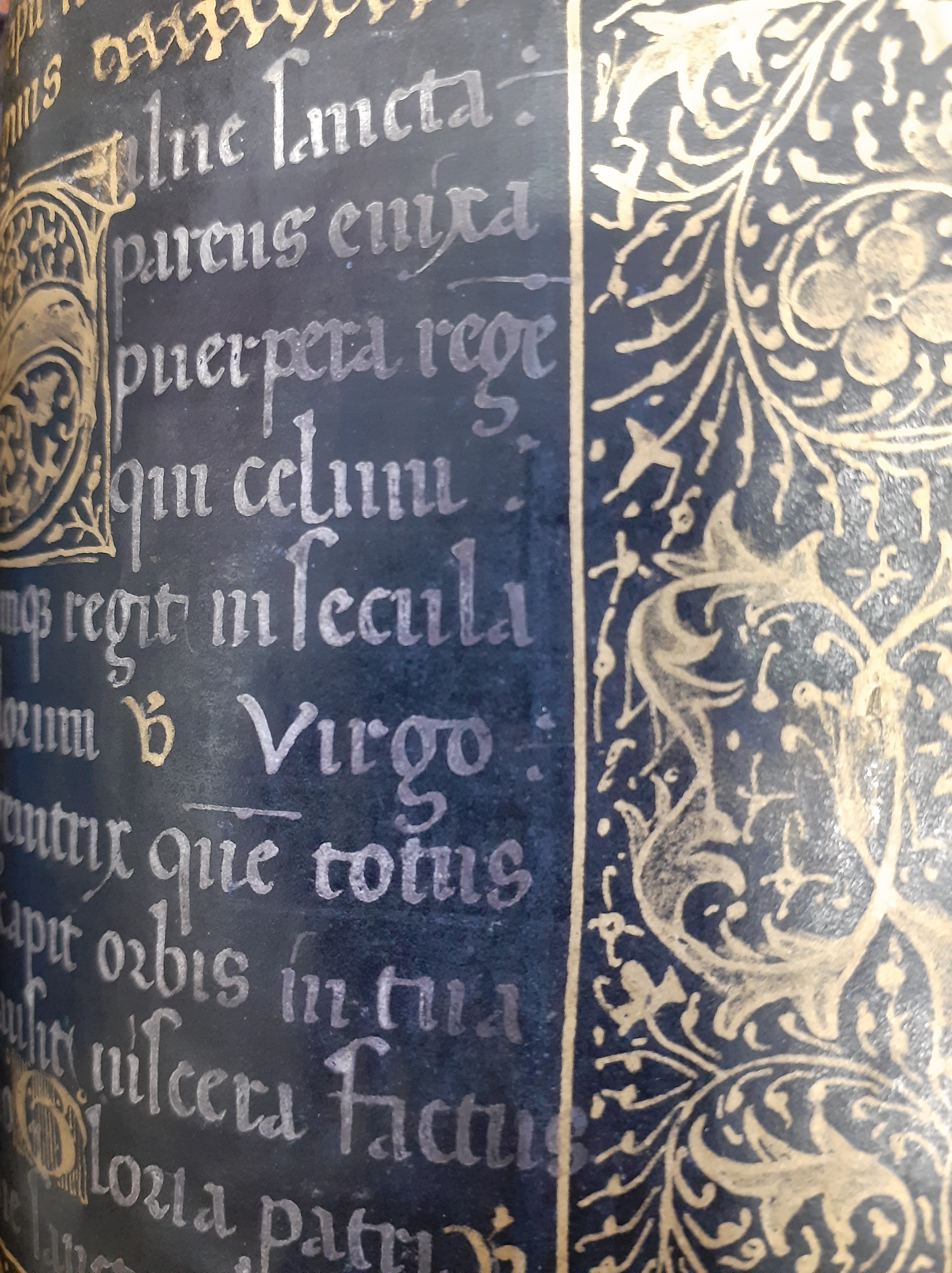
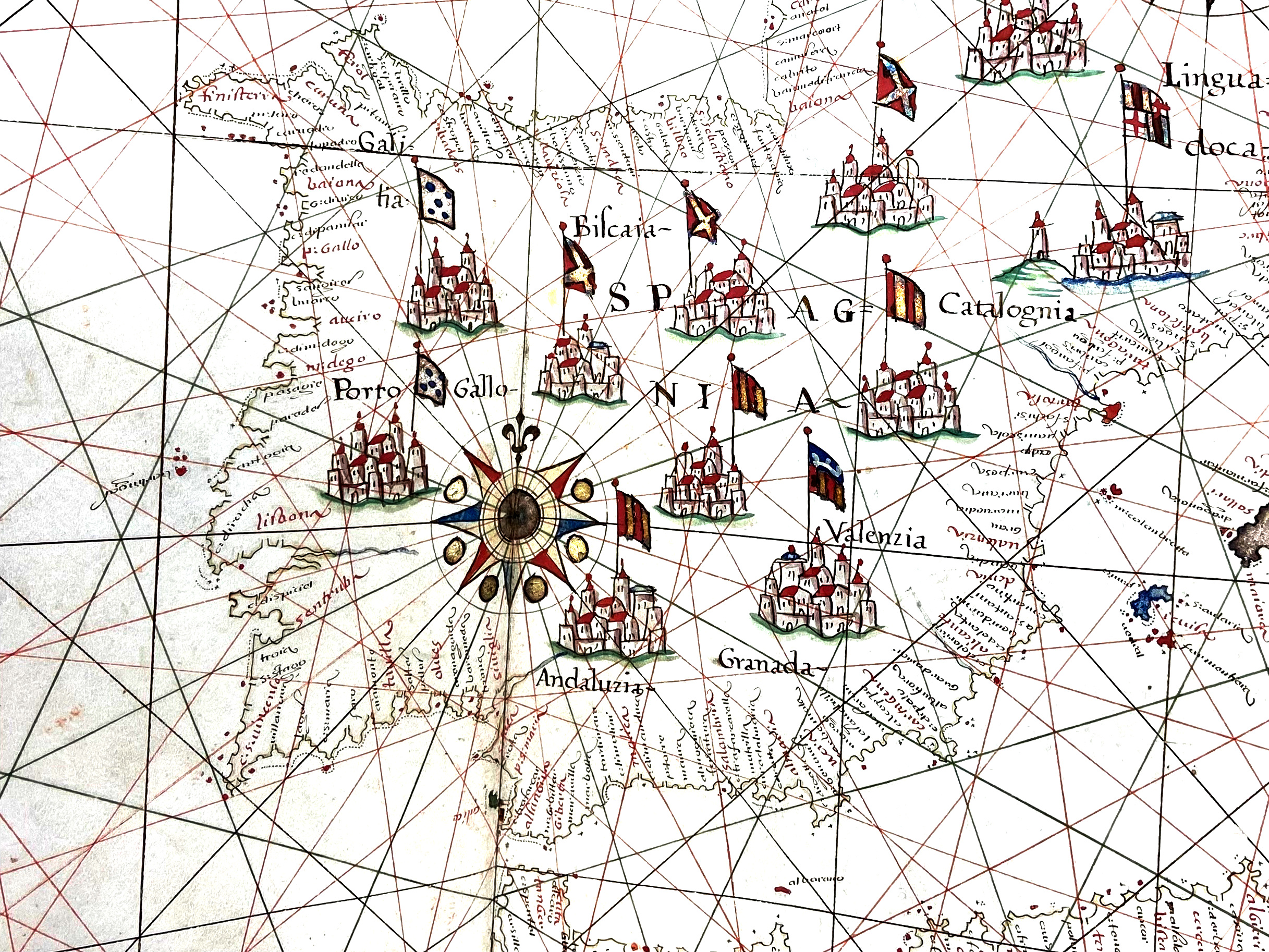
This fellowship heightened my historical perspective of cultural prevalence, broadening my horizons and substantiating several of my initial interpretations. From the very beginning, I felt quite intrigued by the institution’s mission statement:

“The mission of The Hispanic Society of America is to collect, preserve, study, exhibit, stimulate appreciation for, and advance knowledge of, works directly related to the arts, literature, and history of the countries wherein Spanish and Portuguese are or have been predominant spoken languages.”

As a visual artist interested in the misrepresentations of language, it was then with a great sense of wonder that I contemplated such interesting parameters: not geographic boundaries or a particular medium, but the spoken languages from the Iberian Peninsula which, by violent means, were spread throughout the world.
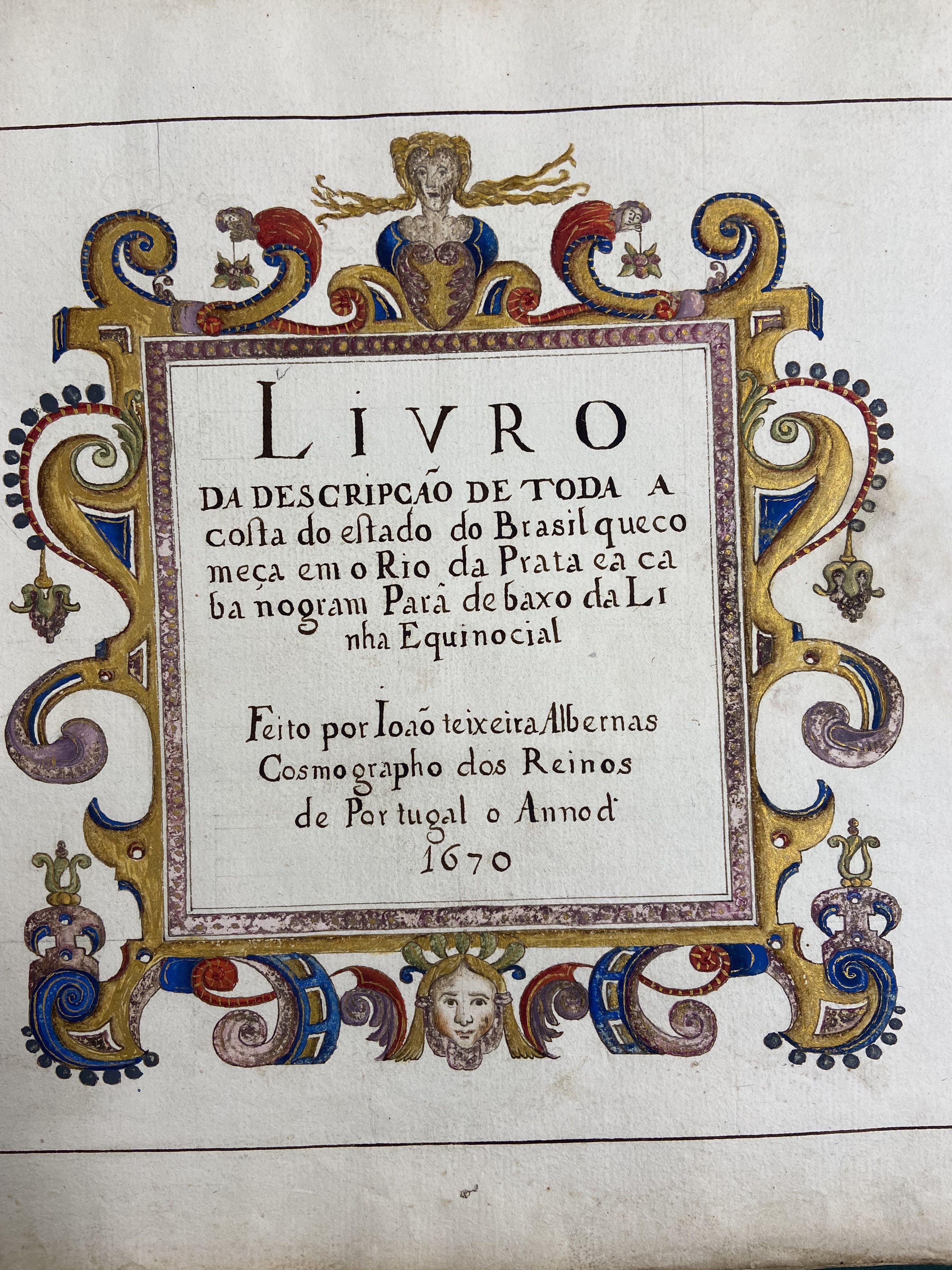
My amazement just kept growing once I began to delve into the Library. Maps, manuscripts, letters and documents dating from the 11th century to the present, and more that 300.000 books and periodicals from places whose cultures were oceans apart, all collected as result of a single common denominator: the language of the colonizer. This curatorial cut and its inherent contradictions are of particular interest to me as a Brazilian, for the brand of Portuguese we speak in my birthplace, Bahia, contains a vast quantity of words and idioms from both the local indigenous cultures and the African languages that were brought in as result of the slave trade.
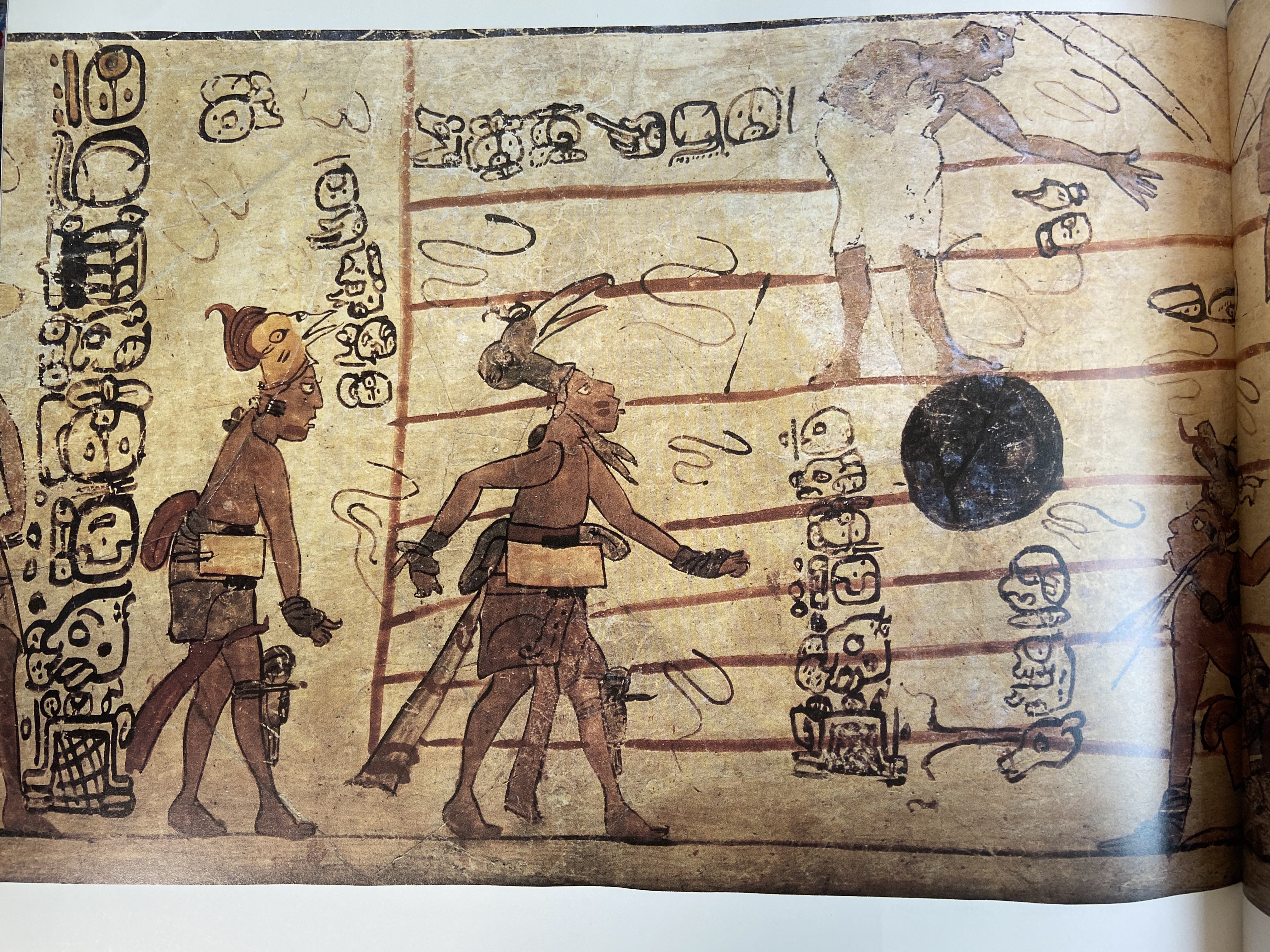
I studied some of the first maps made of the Brazilian coastline, and observed how some locations kept their original pagan names, while others – the main ports and bays – were from the beginning baptized with Christian names. The collection also features many objects bearing the Mayan hieroglyphs, fascinating examples of language as visual element. Also present is an abundance of biased interpretations of indigenous names for places and forces of nature, as well as their myths and social structures.
With all of that in mind, I began to conceive of a body of work based on the idea of a reverse route for the historical documents and works of art collected at Hispanic Society of Americas: a fictionalized, abstract version of what would those look like if nations from the New World had gone to Europe before the colonizers took over. For instance, maps. As I mentioned earlier, I spent a great deal of time with materials about the coast of Brazil in the 1600s, looking at the proportion of geographic names that had been kept in the indigenous language versus the names of places that were christianized. How would a version of the coast line of Portugal look like if it had been charted by a person of Tupi-Guarani ancestry? Which places would have kept their original names, and which places would be renamed in ways that were meaningful to the Tupi-Guarani culture?
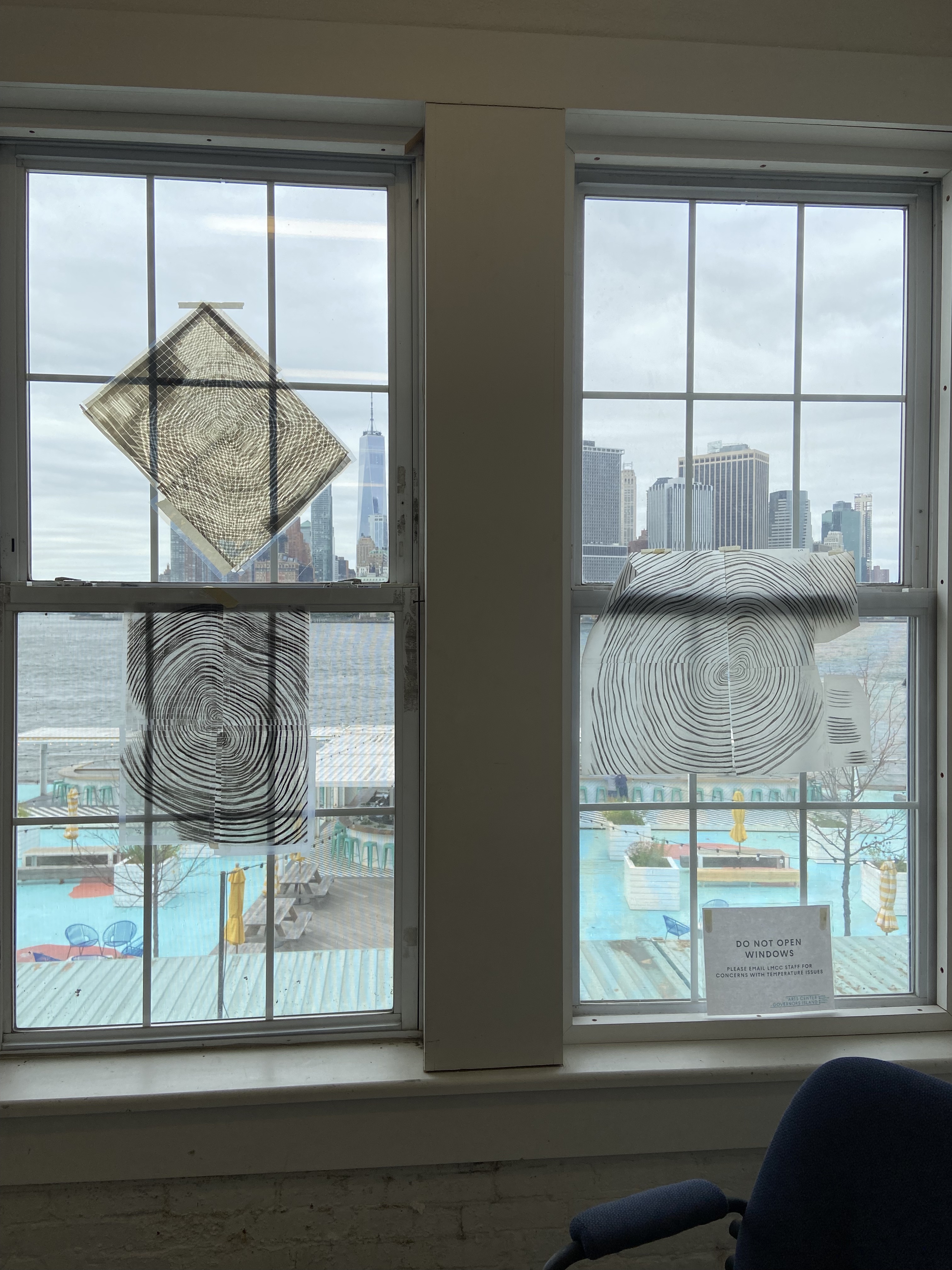
On the summer of 2023, I had the great fortune to be part of an LMCC residency cohort at the Arts Center in Governor’s Island. It was a summer of commuting by boat, under skies made orange by the ashes from wild fires blazing in Canada. Meditating upon the technologies available to our pre-Colombian ancestors, I began to weave transparencies, and to experiment with alternative photo-processes.

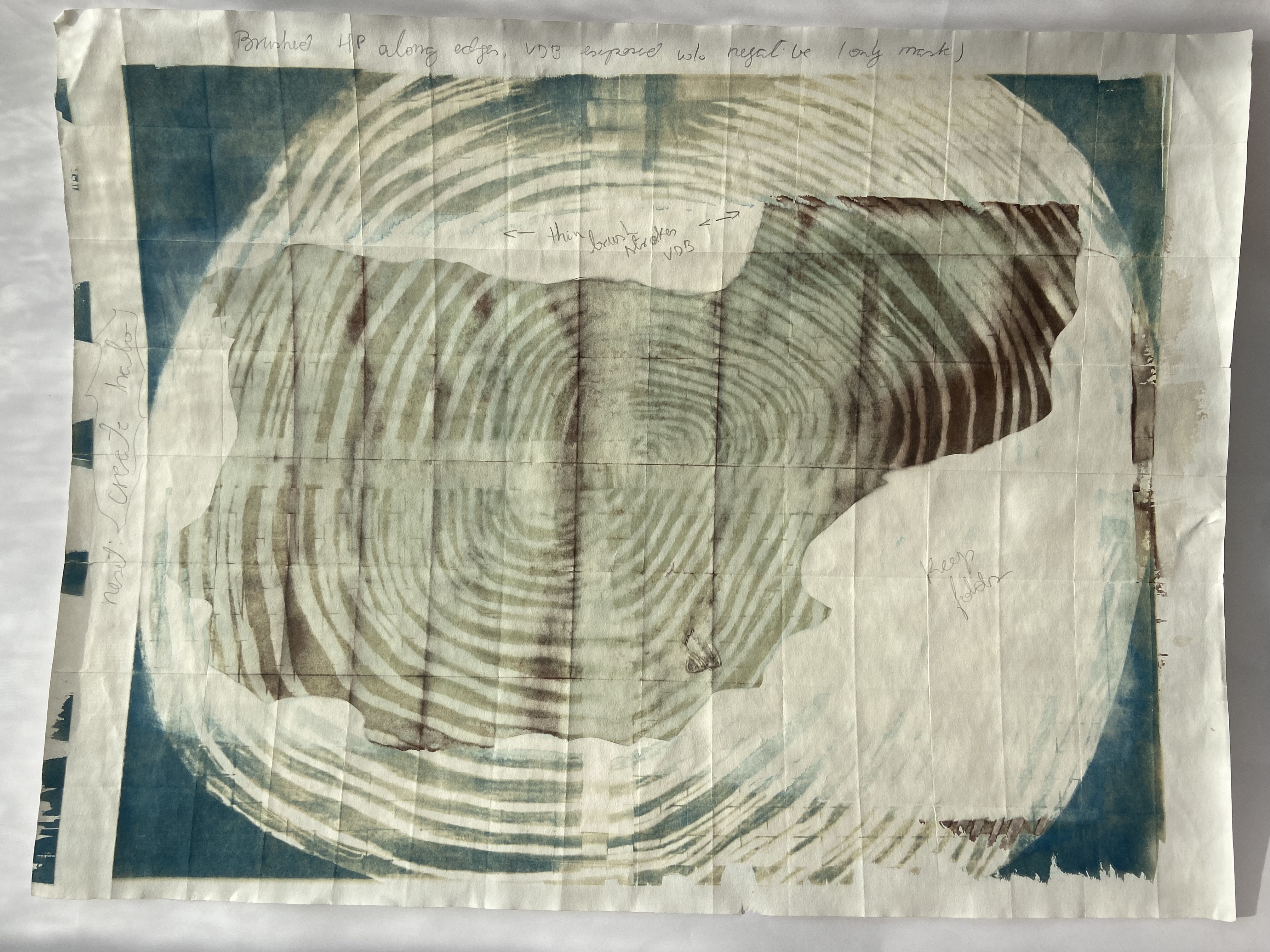
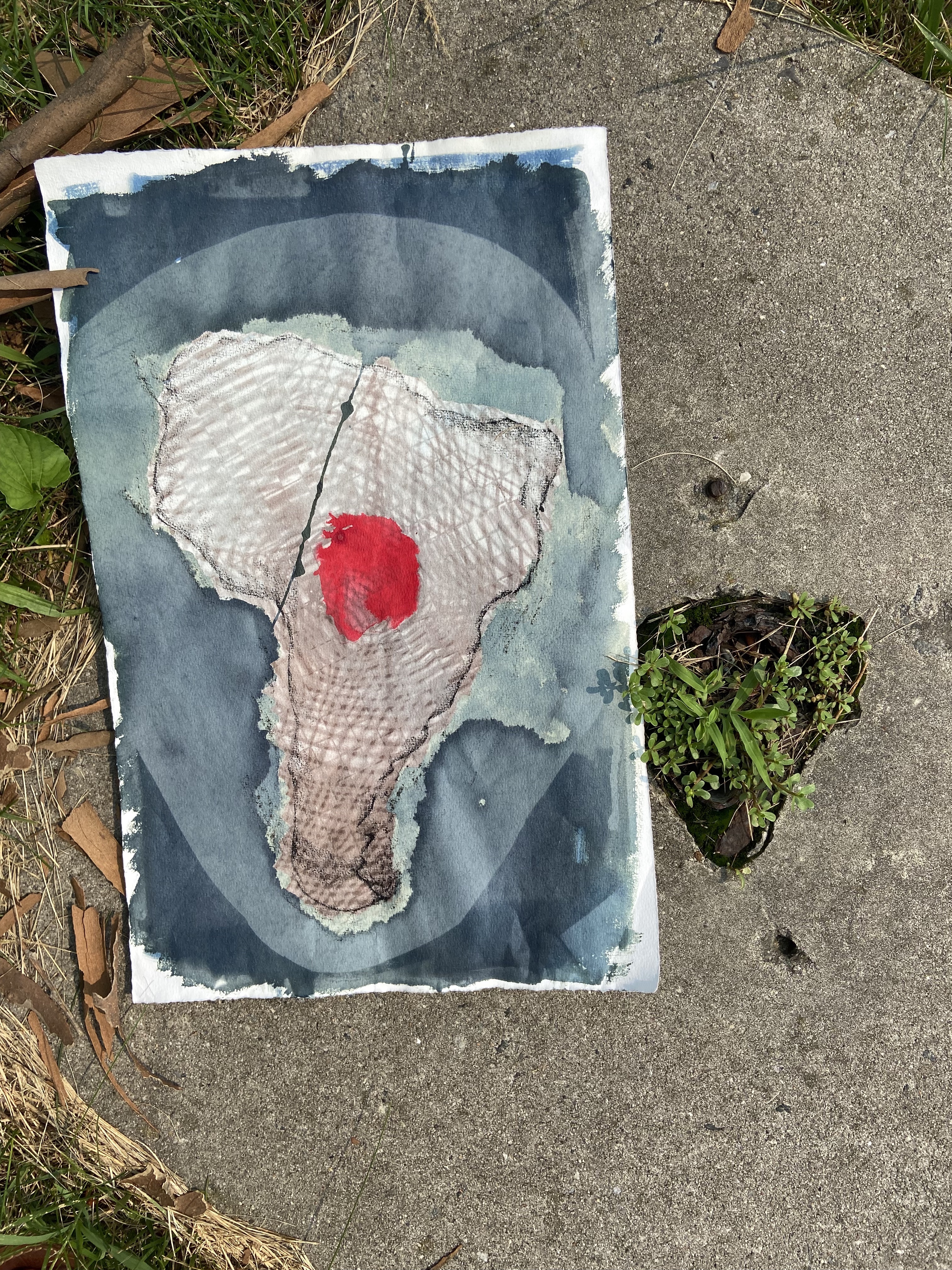

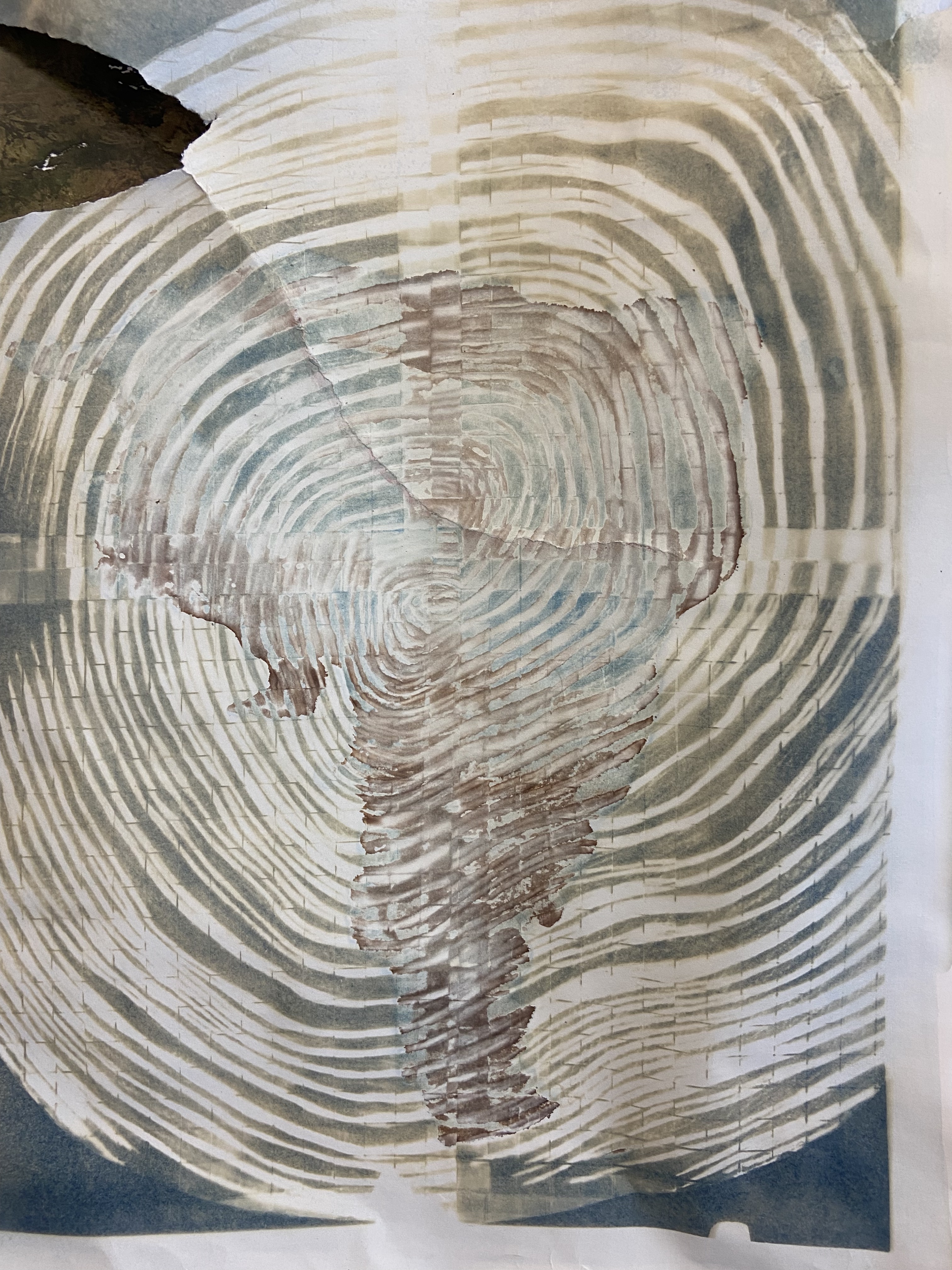
Atlas Inverso is the culmination of all those years. Three collaborators – Sofi Lopez Arredondo, Erny Ros Valeros Manlangit, and Wakay – were invited to consider the main geographic features of Portugal and Spain according to Mayan, Tagalog, and Tupi-Guarani ethnologies, underscoring language’s role in cultural preservation.
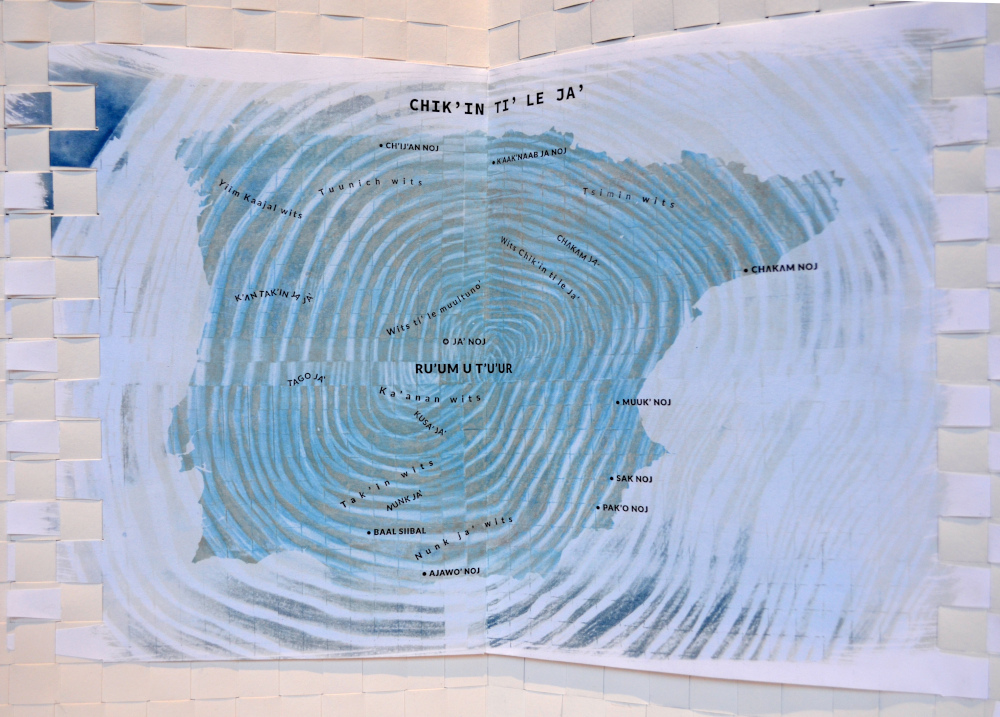
The Atlas also features contour maps of Central America, the Philippines, and South America as artistic renderings of the dramatic consequences of long-distance navigation for the original inhabitants of these places, accompanied by observations taken during the research fellowship period in the form of journal entries and notes exchanged between the collaborators.


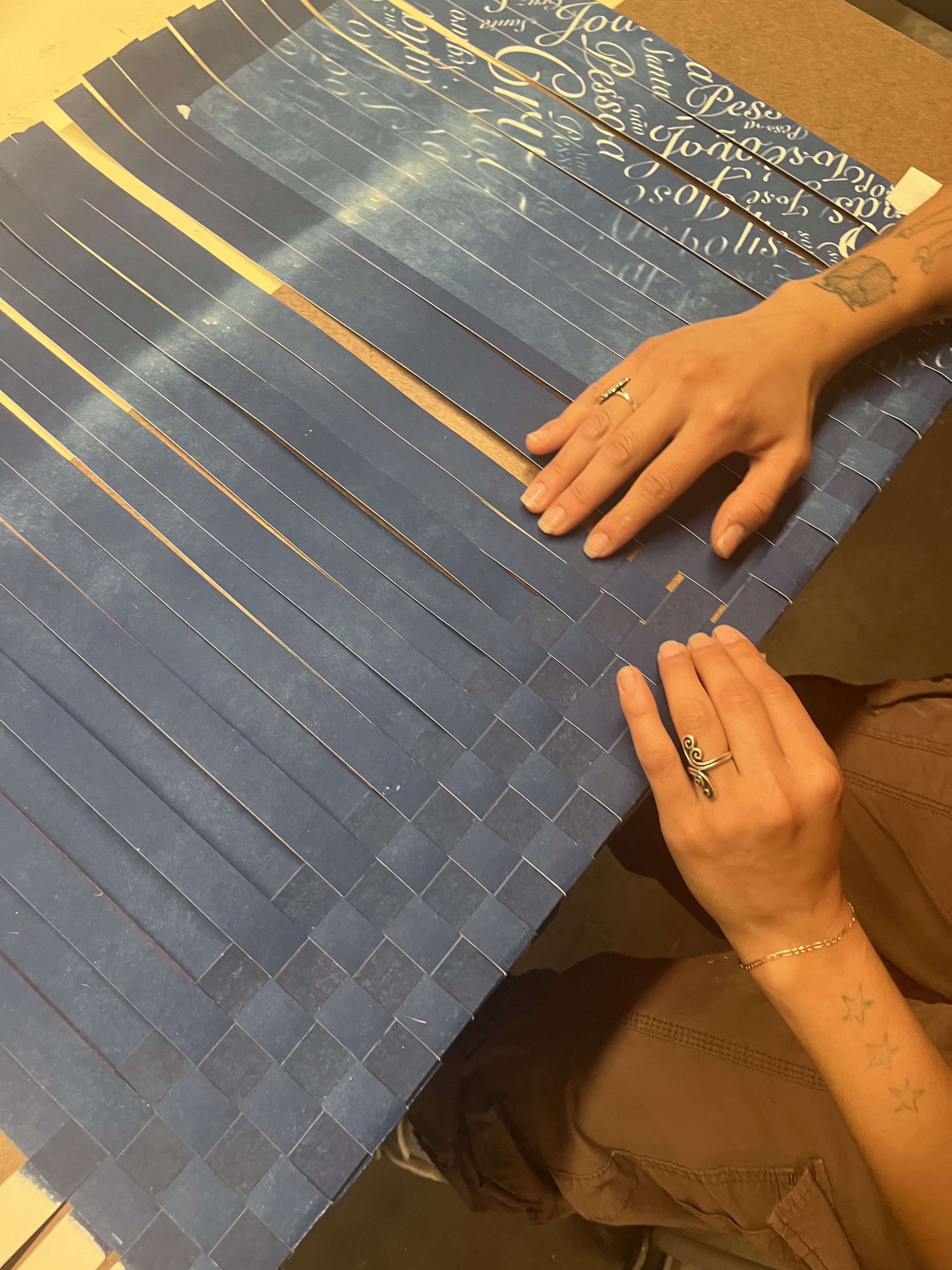
Also included are charts displaying the translations to English for all the substituted names and their meanings. The pages of this atlas were created entirely using the same weaving technology employed by indigenous cultures to produce household objects, resulting in a two-sided 15-foot-long mat (when completely open).
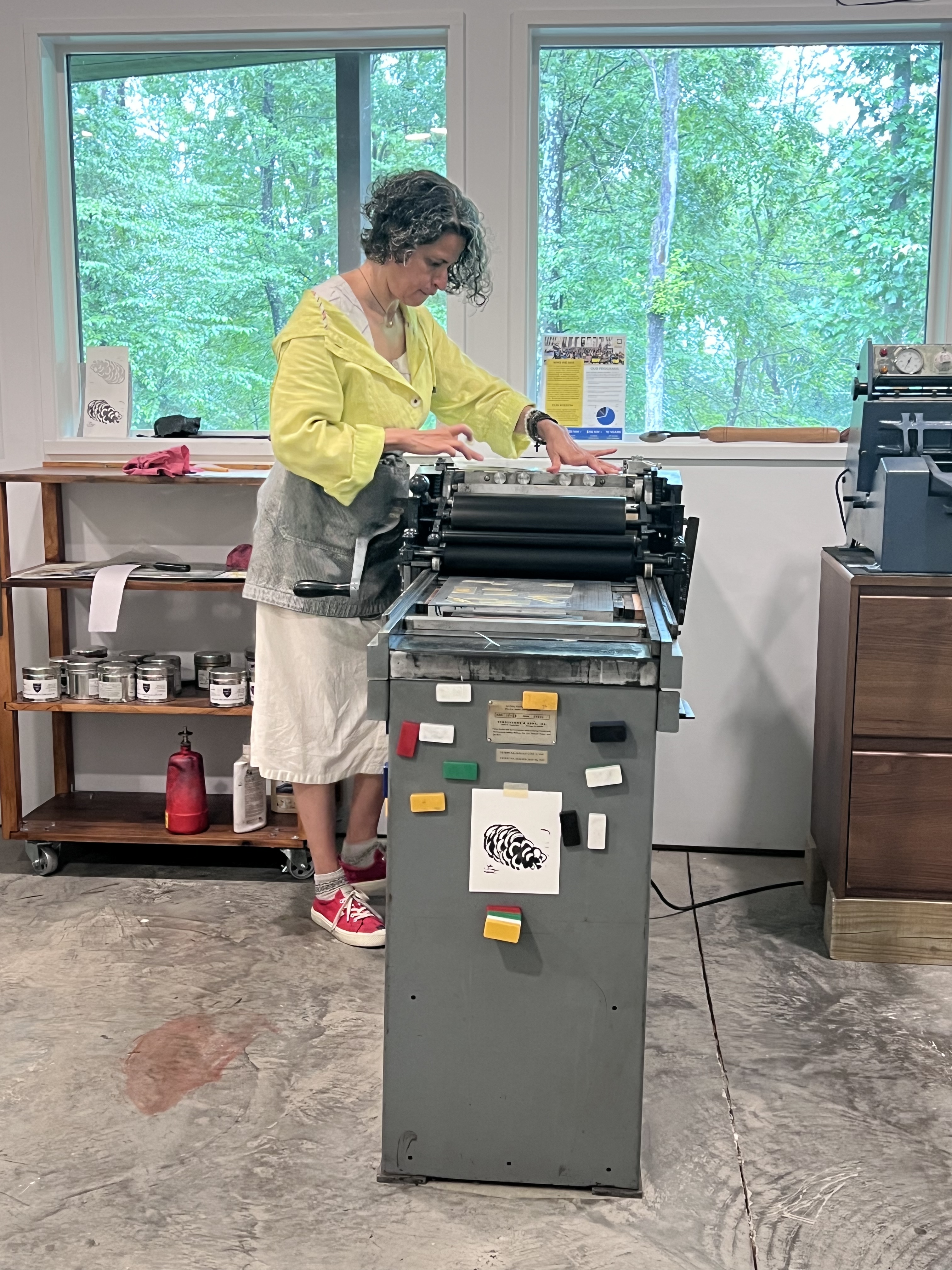
In 2024 I became a member at Shoestring Press, an awesome (and I rarely use this word) printshop in Crown Heights, Brooklyn. It was there that I editioned the images–my second summer laboring on this project. After the alternative photo-processes were done, I took the images to Tor View Press, upstate New York, for the letterpress layer of printing. The Tor View Press is the home of poet/artist KS Lack, one of my dearest friends—really a sister, so working there is very much like coming home.
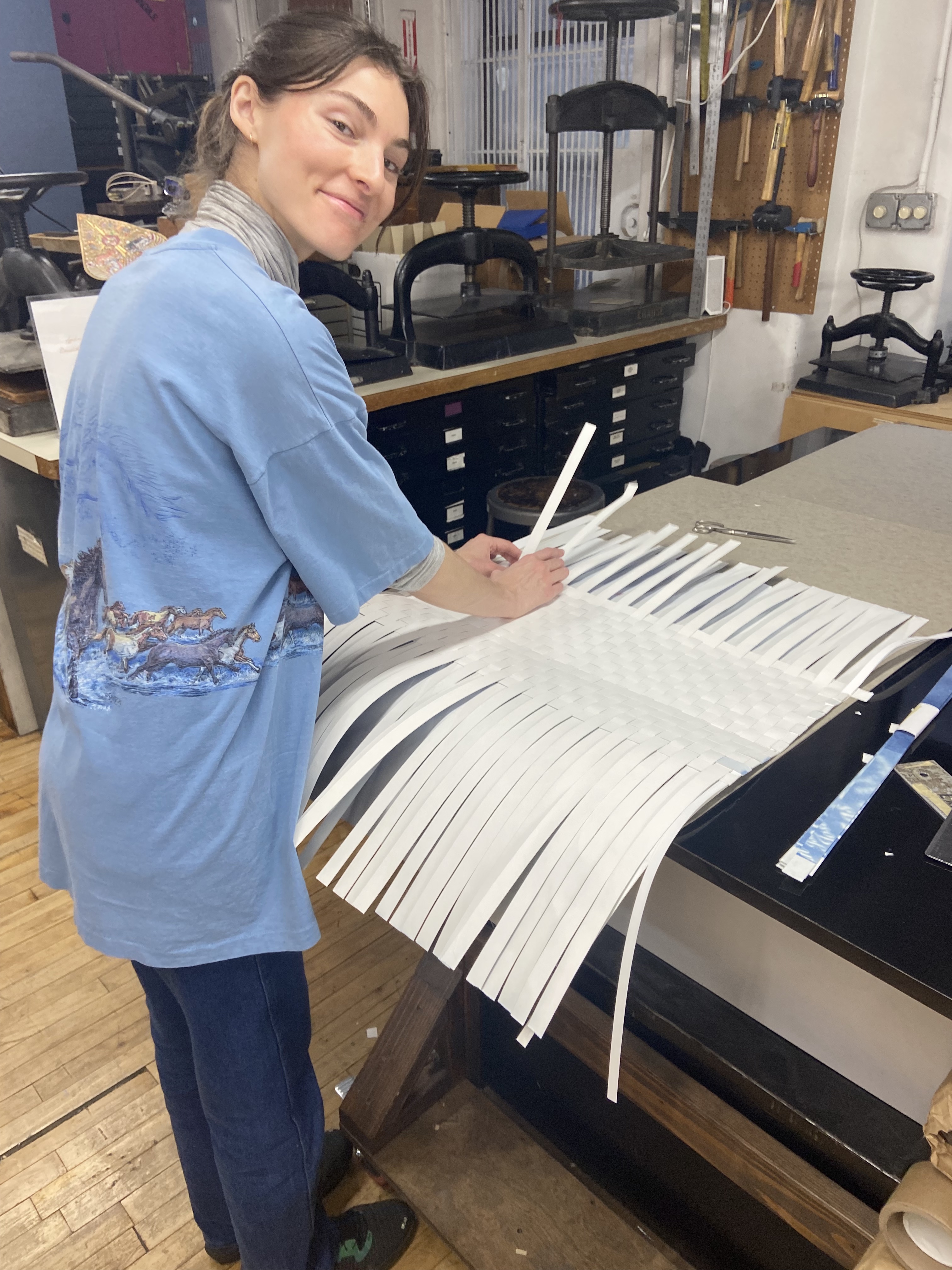
I am now at the stage of weaving the 15ft-long mats where the images get attached. It takes a solid 40 hours of weaving per book and it is an edition of nine copies, but again I am a lucky gal: first i got a ton of help from Jess Russ and Thomas Gallagher, then the weavers extraordinaire Cole Javis Sativa and Lucia Van Ryzin came aboard to help me produce the first four copies. The other five will be the product of yet another summer, aiming to be all done this year.


Wish me luck.

There was I, going about the fall semester and adjusting to this brand new life of green card holder, when this patch of good news came my way:

Kinda out of the blue but hey, I’ll take it! Next thing I know, the Governor is shaking my hand and there are flash lights popping all around, with my proud husband beaming with encouragement and love.


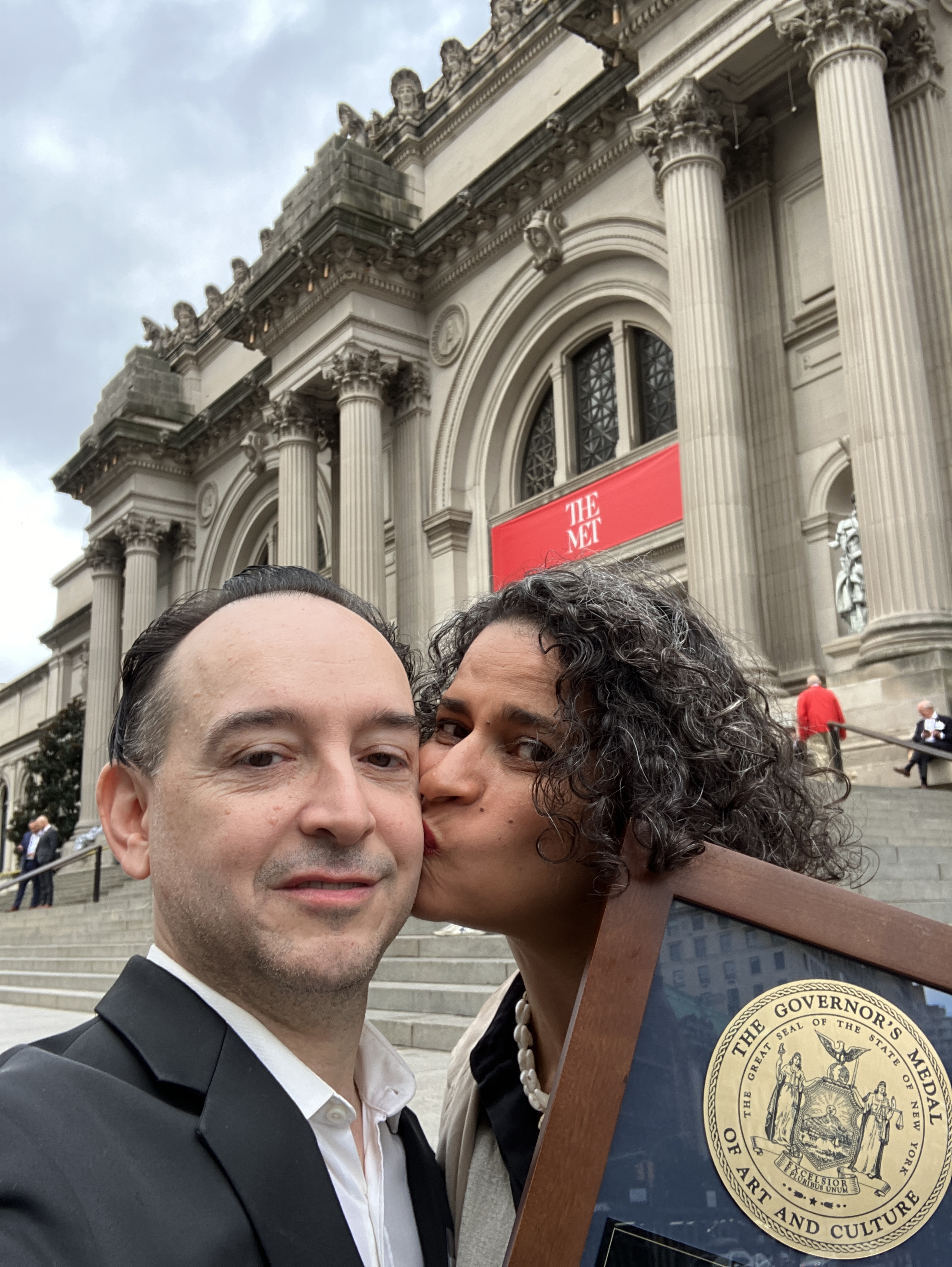
I must confess that my politics don’t often align with the Governor’s – that smile you see on my face wasn’t only for the pictures, though. She made an excellent speech about the immigrant community and challenges faced, listing specific progressive accomplishments that made me, once again, sure that I am exactly where I am supposed to be.
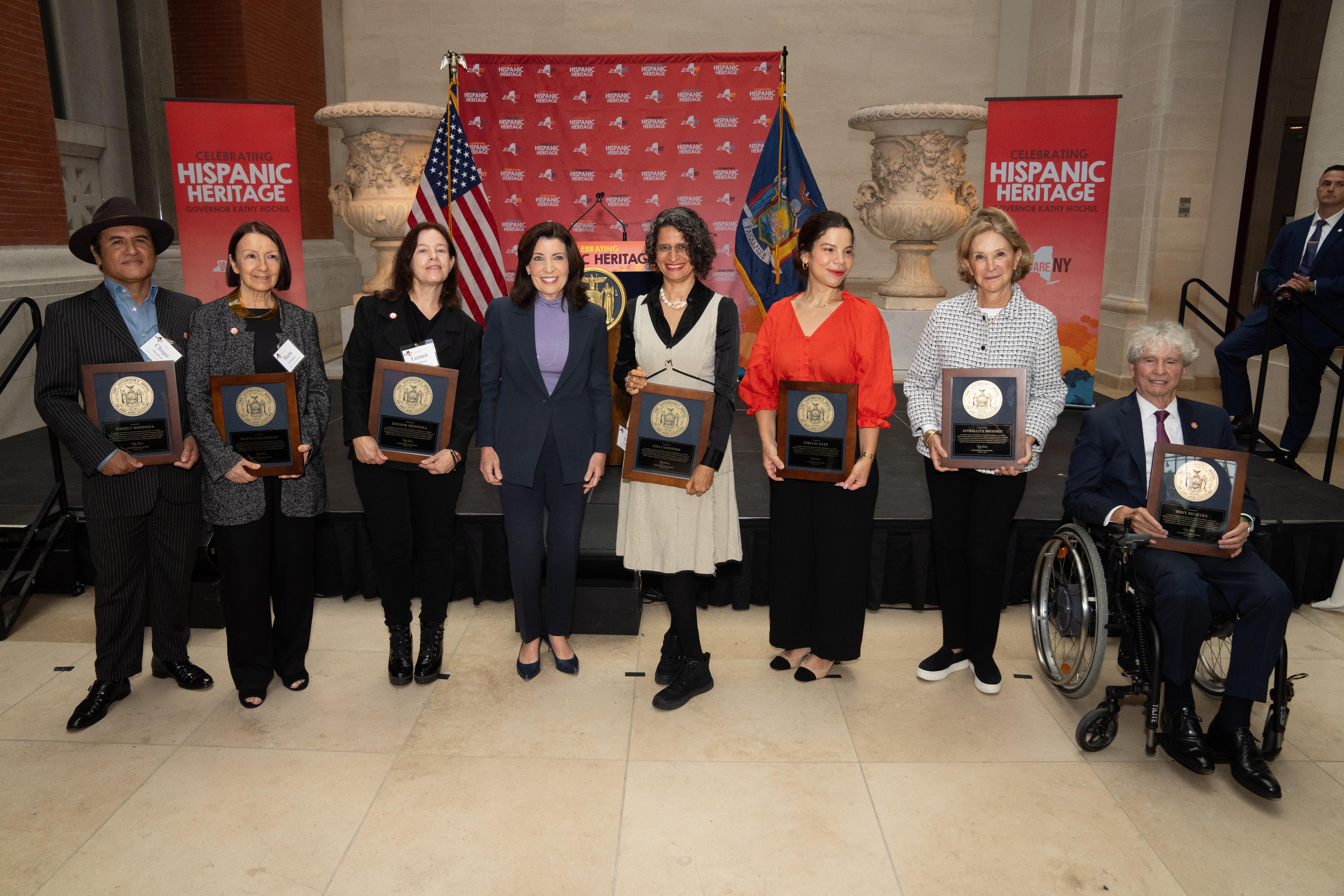
My gratitude to Natalie Espino, Director of Museum Education, Academic Programs & Community Engagement of the Hispanic Society, for supporting my work with such consistency, and also for her galvanizing words that uplifted all of us during the ceremony. We are, indeed, proud New Yorkers.
Come what may.

This program was recorded as a podcast. And yes, I know, I know… I speak too fast.
Thank you Aaron Simms and Inwood Art Works Team.
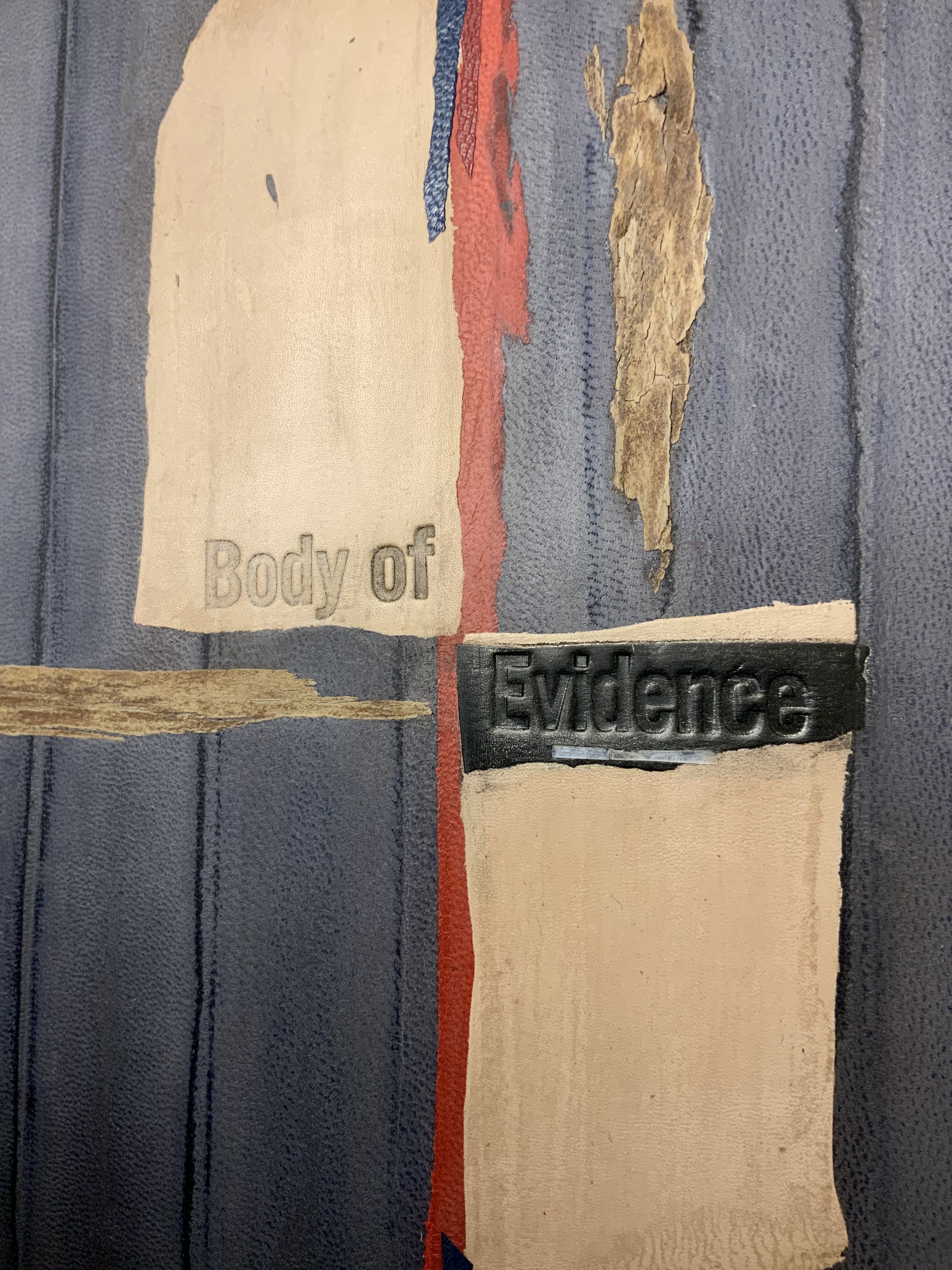
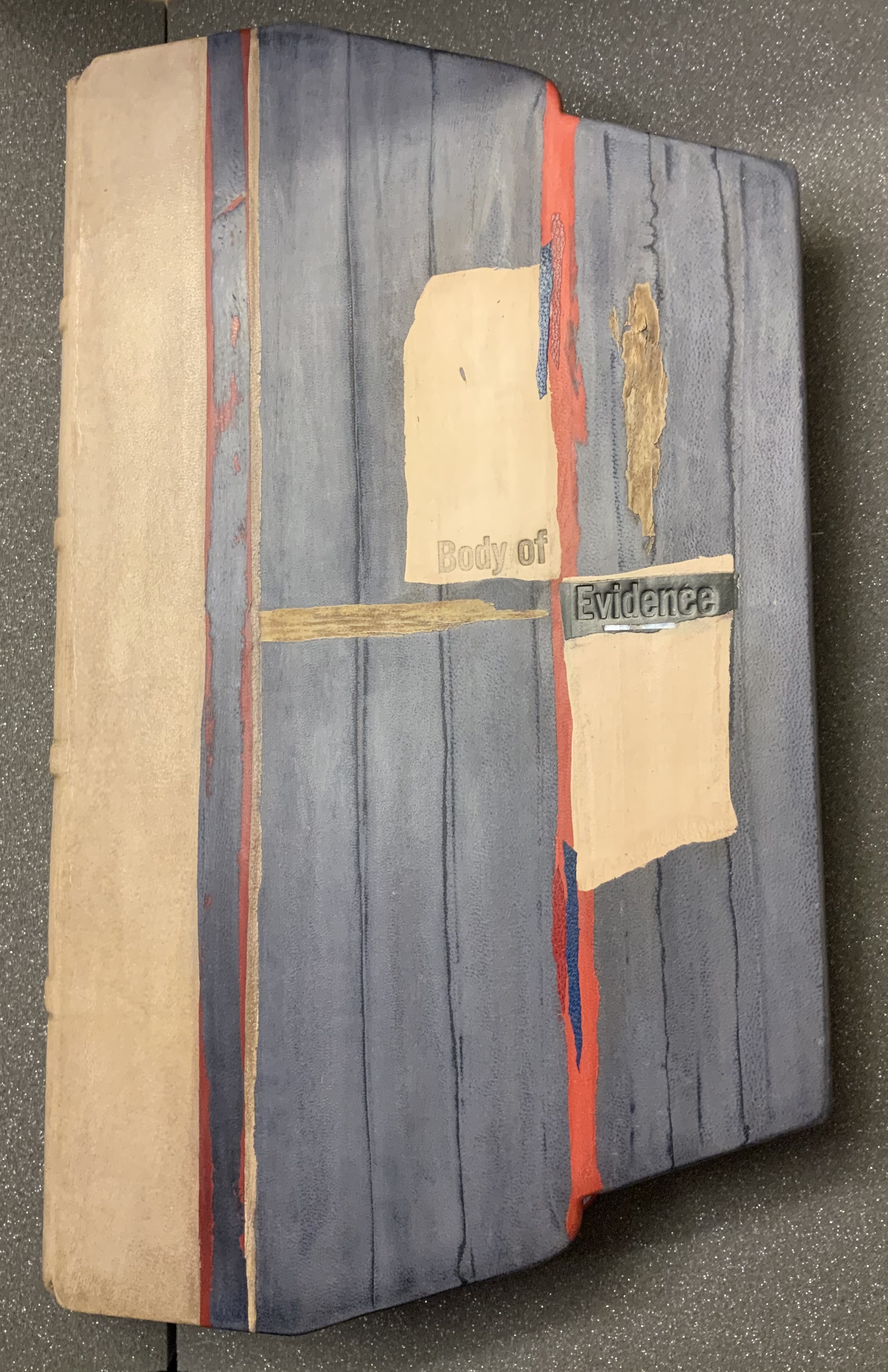
Body of Evidence (2020)
Ana Paula Cordeiro
Artist’s book. Bound on meeting guards, covers in full leather lacunose panels with tree bark and mother-of-pearl onlays. H16 x W9 in, 30 pages. Somerset, Magnani and Zerkall papers with gampi and mulberry inclusions. Edition of 9; this copy commissioned by the Bodleian Library.
Photos: Books On Books Collection, with thanks to Alexandra Franklin, Jo Maddocks and Sarah Wheale of the Bodleian.
When I encounter works of book art, I often recall some collector’s comment — “you don’t collect these works to read them” — and shake my head. Every one of these works expects you to try — even the ones nailed shut, submerged, cast in concrete, burnt to calcification or otherwise hermetically sealed. At their end of the spectrum, those are challenging your expectation that a book is meant to be opened. At the other end are…
View original post 910 more words
No final de 1999 eu pedi demissão da agência e vendi meu carro para me mudar para os Estados Unidos, com a intenção de aprender inglês. Como a única viagem ao exterior que eu tinha feito até então tinha sido o fim-de-ano anterior em Nova York, alguns amigos vieram me alertar sobre o racismo nos EUA. Eu ouvi uma estória sobre Renato Russo tirando onda de ter um sotaque neutro o suficiente para se passar por israelense, e como isso deveria ser considerado vantajoso.
Eu não me senti intimidada, mas tomei um fôlego grande antes de embarcar. No fim das contas, ao longo dos 16 anos seguintes eu me tornei fluente, encontrei uma comunidade, vivi nas cinco vizinhanças de NYC e desenvolví uma profissão – tudo com um sotaque brasileiro pronunciado, e do tal racismo: nada. Aqueles alertas se apagararam na minha mente. Eu não me considerava mais “estranha”.
Até as eleições presidenciais de 2016. De repente, não mais que de repente, as coisas mudaram. A expressão Fragilidade Branca entrou no meu vocabulário pela chaminé, aterrissando com um baque e uma nuvem de fuligem. O poder do governo federal contra imigração passou a ser gabado. As conexões com a polícia tornaram-se motivo para puxar conversa. Insinuações foram feitas. Um punhado de gente passou a não gastar mais energia com seus próprios fracassos. De repente, quase misteriosamente, esses indivíduos se tornaram os donos da bola. Minha presença aqui passou a ser questionada: nessas situações, eu me tornei aquela “outra pessoa”: uma estrangeira, em posição vulnerável.
Corpo de Evidência (Body of Evidence) é minha resposta ao clima desses últimos quatro anos. Originalmente concebido para conter apenas um poema e um ensaio, o projeto cresceu a 30 páginas para caber tudo que me deu nos nervos a cada ciclo de notícias, a cada tuítaço, a cada desastre, a cada atrocidade. Livros de artistas são narrativas rítimicas por natureza, e apesar de uma certa falta de linearidade, esse se manteve o caso. Uma estória sem fio, como acontece com aqueles que vão levando a vida a curto prazo: minha “trajetória” enquanto imigrante – não do tipo de imigrante que sentiu horrores infligidos na carne, mas como imigrante-testemunha, o tipo de imigrante que teve “escolha”, e que “escolheu” ir em frente e continuar na labuta. Como Agnes Martin escreveu: “não somos os instrumentos do destino nem somos peões do destino: nós somos o material do destino”.


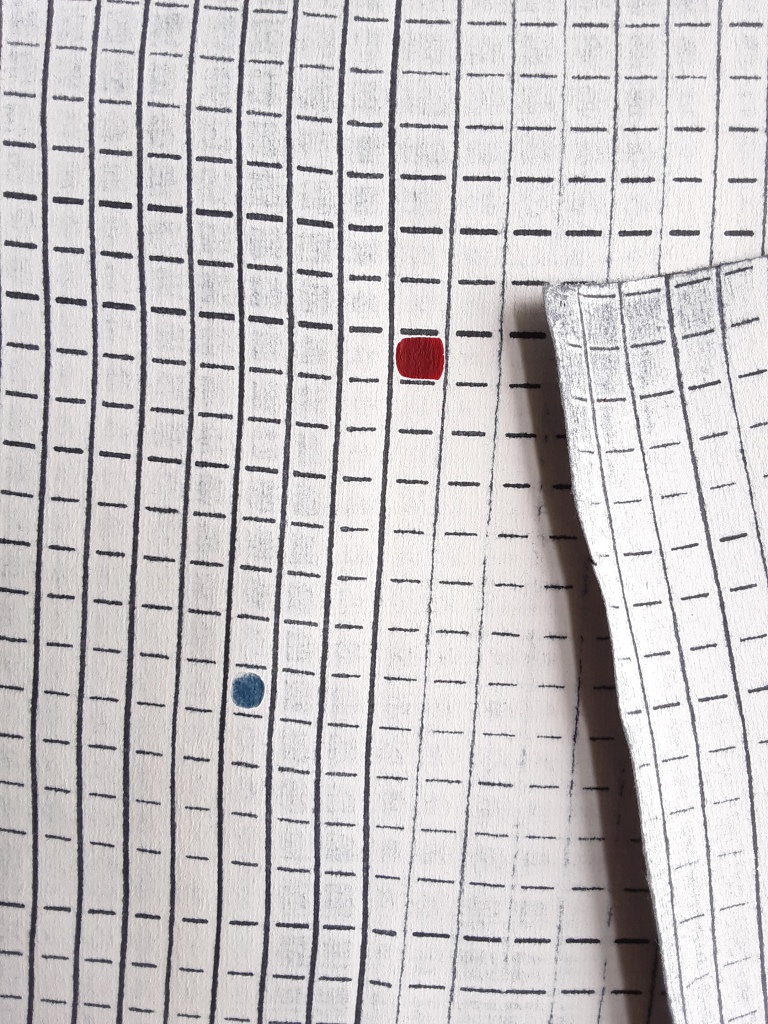
Esse livro foi impresso nas cores do patriotismo norte-americano: vermelho e azul sobre branco, porém com a adição de todos os tons de cinza. É moldado como um envelope com abas abertas, dobradas longitudinalmente. Por design, é incapaz de se manter em pé.

Todas as imagens são do meu bairro no norte de Manhattan, historicamente um santuário de imigrantes. Elas foram impressas a partir de xilogravuras, fotogravuras, processos fotográficos alternativos, serigrafias e chapas de fotopolímero. O livro é encadernado em guardas, e as capas são painéis de couro lacunoso com relevos e depressões, e incrustadas com cascas de árvore e madrepérola. É uma edição de 09 exemplares numerados, a serem encadernados e personalizados a pedido.


As chapas e a impressão das fotogravura foram feitas por Aurora De Armendi. As serigrafias foram possíveis graças a uma bolsa de estudos do Fine Arts Work Center em Provincetown, Massachussets.

Passagens dos meus diários relacionadas com a minha experiência de 20 anos enquanto artista imigrante formaram o texto, complementadas com citações de Fernando Pessoa, Rebecca Solnit, Emily Dickinson, William James e Agnes Martin. A impressão foi feita na oficina de tipografia do The Center for Book Arts, usando a coleção de tipos da casa.

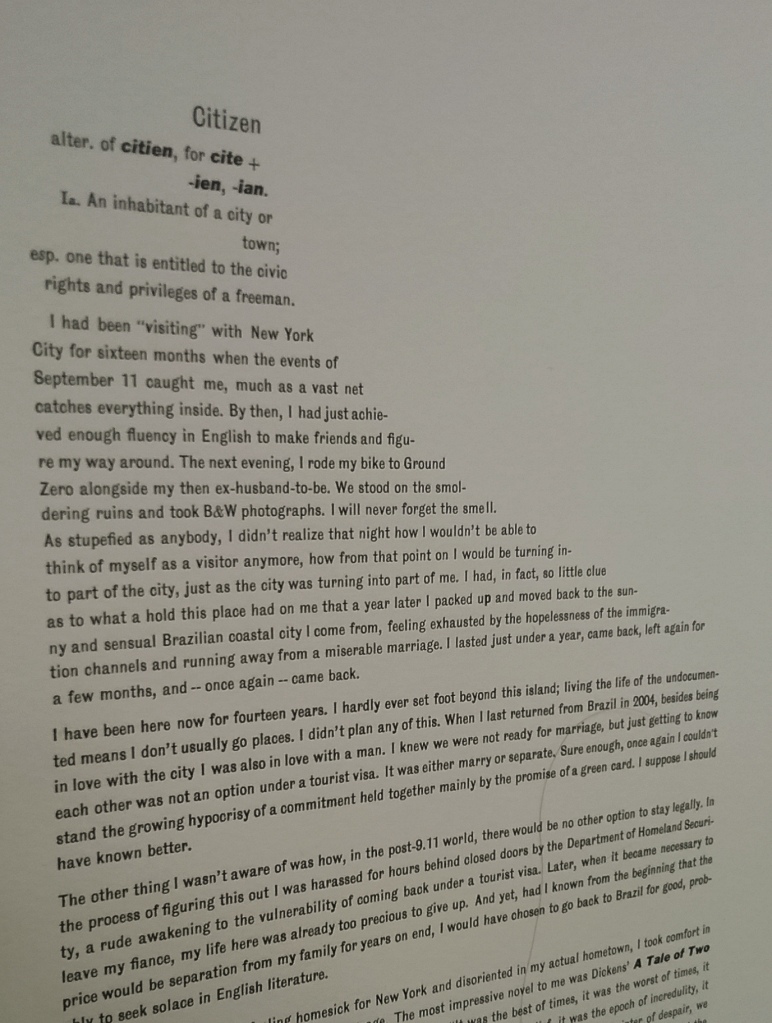
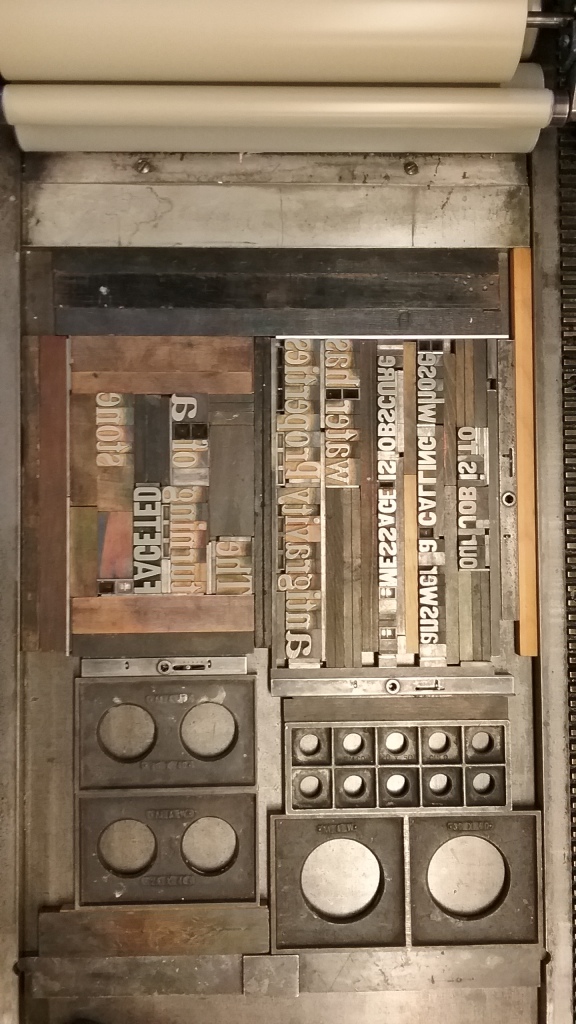


Das duas, uma: ou eu trabalho muito devagar, ou o ritmo da história ficou mais rápido (provavelmente as duas). Durante o tempo que levei para criar e imprimir esta edição, as emergências climáticas e políticas se agravaram. Os últimos quatro anos foram uma passarela de desastres ambientais e humanitários, culminando com a pandemia e a crise da justiça racial. Como Nova York foi por um tempo o epicentro do COVID19, eu não pude frequentar o ateliê e acabei encadernando a primeira Prova do Artista na privacidade do meu quarto.


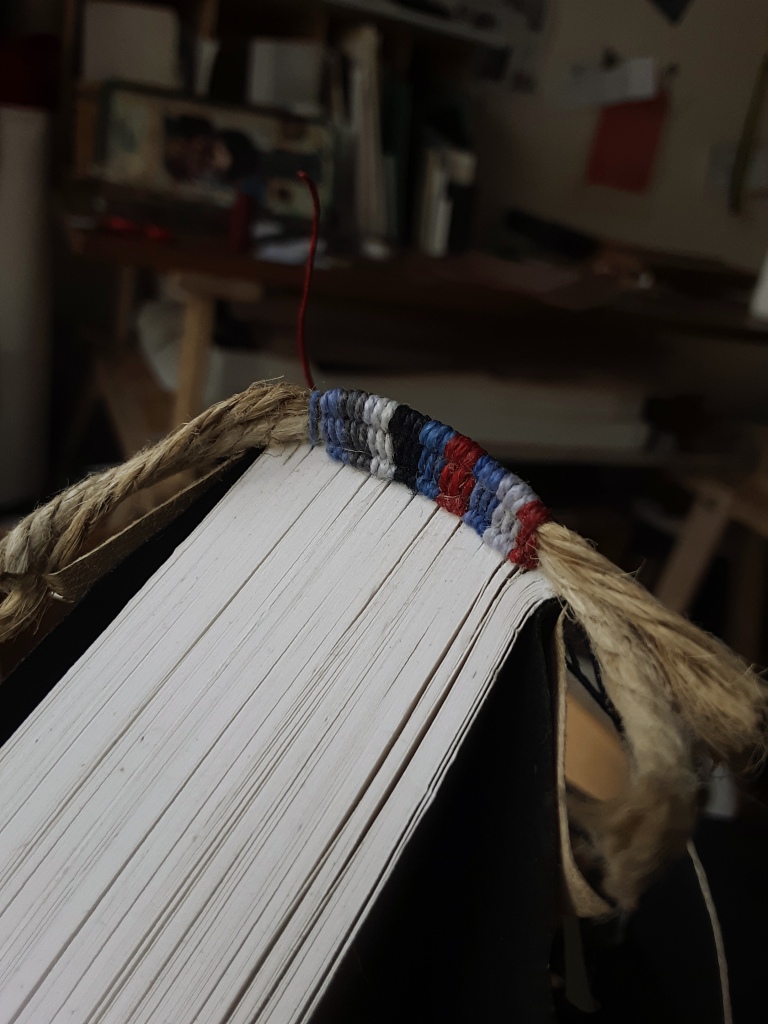
Enquanto isso, Bolsonaro foi visto competindo com Trump pela posição de pior líder de todos os tempos. As mensagens entre mim e minha família eram apenas tentativas corajosas de produzir um sorriso de um lado para o outro, com pequenos sucessos. Fui uma das finalistas em um concurso, e durante a entrevista (online) me perguntaram se o momento presente vai deixar uma marca no corpo do meu trabalho.
Marcas? Não, meu senhor: cicatrizes.


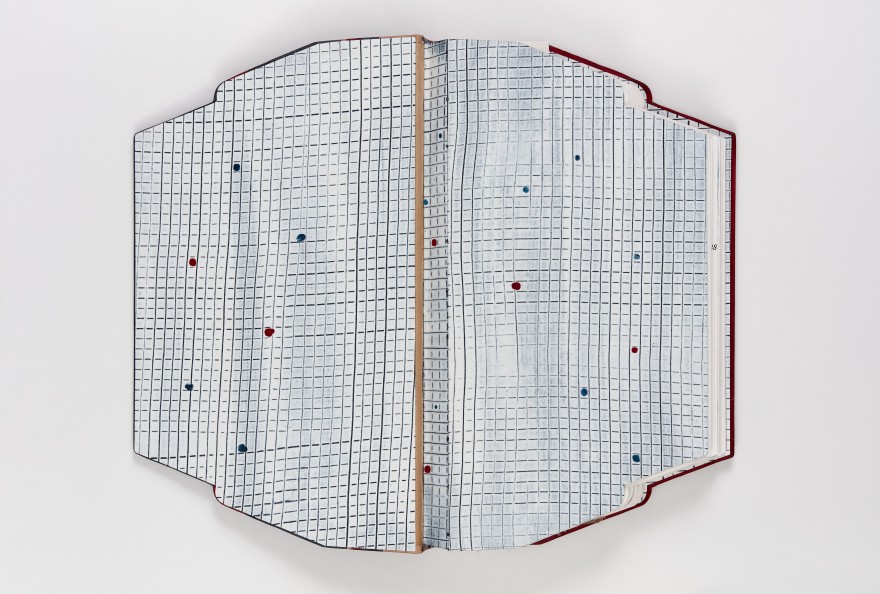
Um fato curioso: a encadernação tem uma imagem apotropaica oculta no revestimento da espinha. De acordo com a página da Wikipedia, a palavra “apotropaica” vem
Do grego antigo ἀποτρόπαιος (apotrópaios), de ἀπό (apó, “distância”) e τρόπος (trópos, “turn”); assim, significa “fazer as coisas se afastarem”, como em “se afasta o mal”. (esconjurar?)
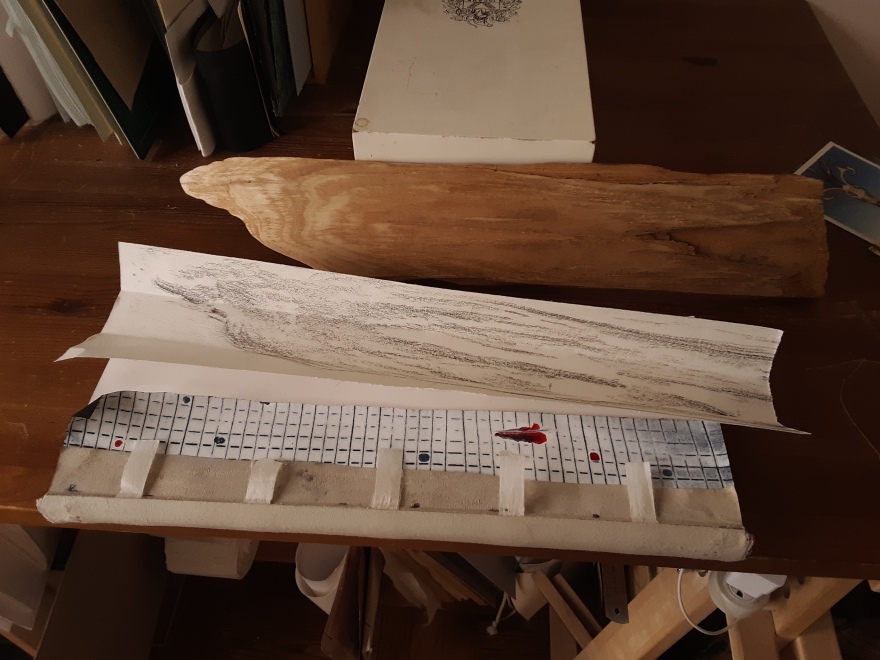
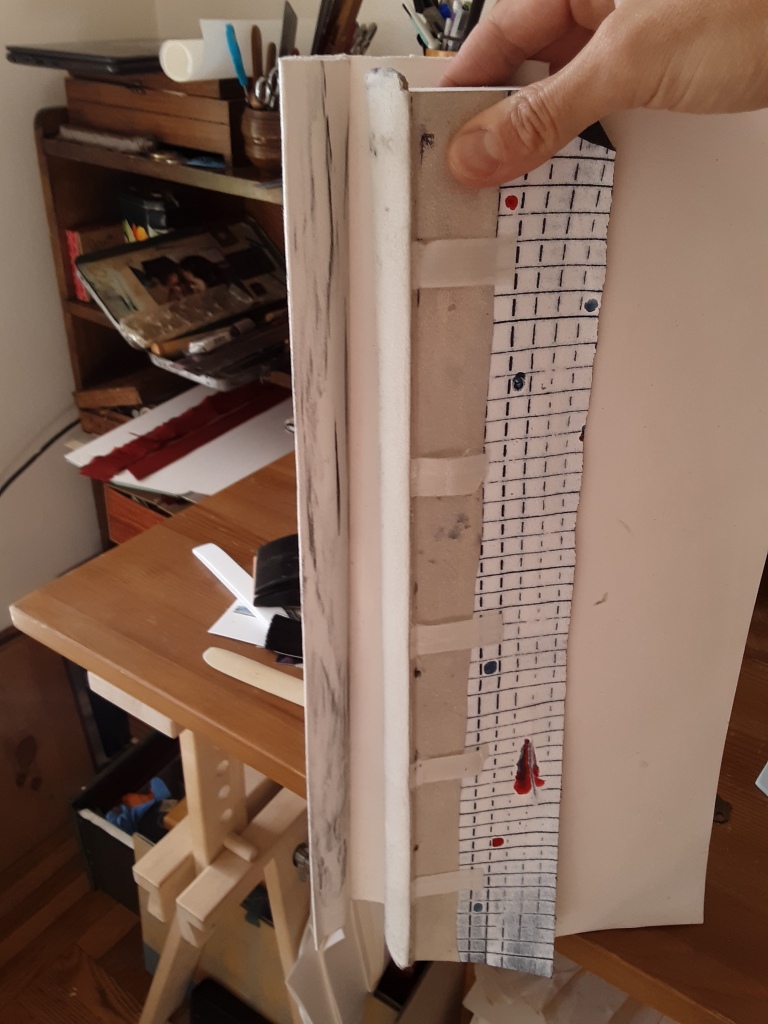
Como Georgious Boudalis mencionou em “O Códice e os Ofícios da Antiguidade”: Livros e corpos eram vulneráveis e o fato de esforços serem feitos para proteger tanto livros quanto corpos alude ao seus poderes.

Por razões de força maior, apenas o meu primeiro nome ficou visível.
Este projeto foi possível com o apoio da Fundação Pollock-Krasner.
Meus sinceros agradecimentos para
Aurora De Armendi
Delphi Basilicato
Sonia Cordeiro
Maureen Cummins
KS Lack
Celine Lombardi
Sarah Nicholls
Sarah Perron
Jessica Russ
Abby Schoolman

*fotografia: Argenis Apolinario
_____________________________________________________
___________________________________________
_________________________________
________________________
_______________
At the end of 1999 I quit my job and sold my car to make a move to New York, with the intention of learning English. As the only trip abroad I had taken until then had been the previous holiday season in the city, some friends took upon themselves to warn me against racism in the US. I heard stories about other Brazilians who got enough accent reduction to pass as Israelis, and how that was supposed to be a good thing.
I wasn’t intimidated, but I braced for it. As it turned out, throughout the next 16 years I got fluent, found a community, lived in the five boroughs and honed a skill – all with a pronounced Brazilian accent, and yet racism didn’t materialize. The warnings faded in my mind. I didn’t think of myself as the other.
Then, in the aftermath of the 2016 presidential election, things changed. Just like that. The expression White Fragility entered my vocabulary through the chimney, landing with a thump and a cloud of soot. Connections within NYPD became reason for name dropping. ICE power was bragged about. Insinuations were made. A small but loud handful of people no longer wasted their energies being angry with their own failures. Suddenly, almost mysteriously, these individuals found themselves somewhat smug. My presence here was questioned: in these situations, I became not only the other but that leverageable other.
Body of Evidence is my four-years long response to this climate. Originally conceived to hold only a poem and an essay, it grew to 30 pages with all that got on my nerves from each news cycle, each social media storm, each disaster, each atrocity. Artist books are time-based narratives by nature, and that is true for this one even though it has no fixed chronology. A story line without much of a line, as it is the case for those of us who have lived on short term perspective for so long. My crooked path as an immigrant it is – not the kind of immigrant who had felt horrors inflicted upon but as a witnessing immigrant, an immigrant who could choose and whose choice was to stay and to work. As Agnes Martin wrote: “we are not the instruments of fate [n]or are we pawns of fate, we are the material of fate”.
The book was printed in red & blue over white, plus all shades of gray. It is shaped as an envelope with flaps open, folded lengthwise. By design, it is unable to stand on its feet.
All images are from my neighborhood in Northern Manhattan, historically an immigrant sanctuary. They were printed from woodcuts, photogravures, alternative photographic processes, screenprints, and photopolymer plates. The book is bound with meeting guards, and the covers are full leather lacunose panels with tree bark and mother-pearl inclusions. It is an edition of 09 numbered copies, to be bound upon request and personalized.
The photogravures plates and printing are by Aurora De Armendi. Screenprints were possible thanks to a scholarship by the Fine Arts Work Center in Provincetown, MA.
The letterpress text is mainly a selection of journal entries related to my experience of 20 years as an immigrant artist, supplemented with quotes from Rebecca Solnit, Emily Dickinson, William James, Agnes Martin, and Fernando Pessoa. It was printed at The Center for Book Arts in a Vandercook Universal III Proofing Press, using the house type collection.
Either I work very slowly or the pace of history got faster (probably both.) During the time it took me to create and print this edition, both the climate and the political emergencies have picked up. These past four years were a litany of environmental and humanitarian disasters, right up to the pandemic and the racial justice crisis. As result of New York City being the COVID19 epicenter for a while, I ended up binding the first AP in my bedroom.
Meanwhile, Brazilian President Jair Bolsonaro could be seen competing with Donald Trump for the nomination of worse leader ever. The text messages between my family members (all of which live in Brazil) and me in the city are but a brave attempt to produce a smile from one side to another, with small successes. I was one of the finalists for a residency application process, and during the Zoom interview I was asked if the present moment would reveal itself in my body of work.
Why, it is coming out of the woodwork.
Fun fact, the binding has a concealed apotropaic image in the spine lining. As per the Wikipedia entry, this word comes
From Ancient Greek ἀποτρόπαιος (apotrópaios), from ἀπό (apó, “away”) and τρόπος (trópos, “turn”); thus meaning “causing things to turn away”, as in “turns away evil”.
As Georgious Boudalis mentioned in “The Codex and Crafts in Late Antiquity”: Books and bodies were vulnerable and the fact that pains were taken to protect both books and bodies alludes to their power
For reasons of force majeure, only my first name is visible in the book.
This project was made possible with support from the Pollock-Krasner Foundation. It was produced at The Center for Book Arts, with additional help from the Fine Arts Work Center in Provincetown, MA.
I wish to express my deepest gratitude to my dear friends
Aurora De Armendi
Delphi Basilicato
Sonia Cordeiro
Maureen Cummins
KS Lack
Celine Lombardi
Sarah Nicholls
Sarah Perron
Jessica Russ
Abby Schoolman
This post has a follow-up post for the book colophon,
and the Artist Statement may be seen here.
Tech specs: 30 pages, 9×16″ (closed), mixed media, 2020
Images with an * indicates photo credit: Argenis Apolinario
_____________________________________________________
___________________________________________
_________________________________
________________________
_______________
According to Keith Houston, “the last thing the reader saw was the “colophon”, a single page at the back of the book named after the Greek word for “summit”, or “finishing touch.”*
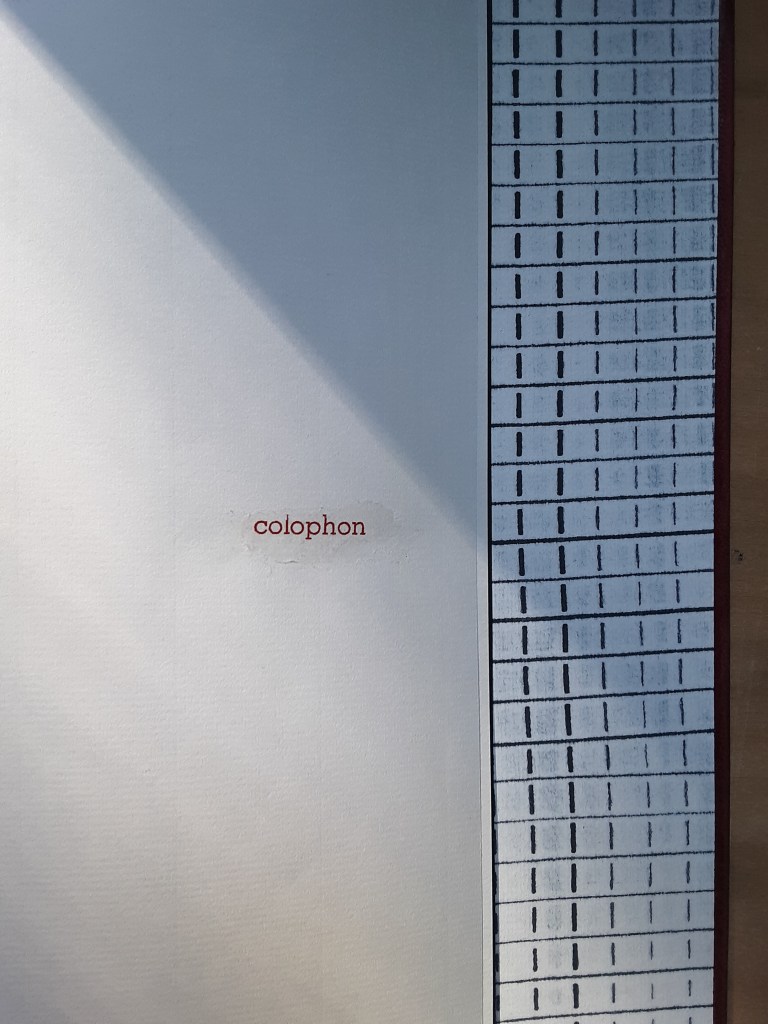
Still quoting Houston: “The colophon was a place for the printer to record the details of the book’s manufacture–the name of its firm; its coat of arms, perhaps; and the place and date of its production.”

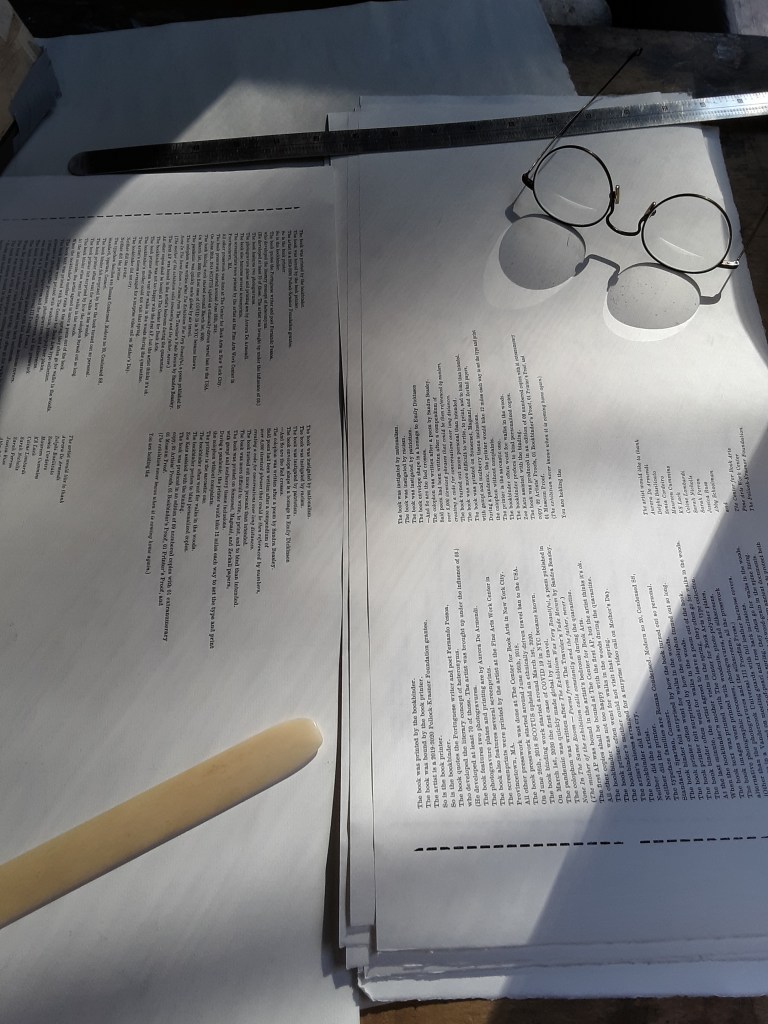

The attentive reader will notice that I got carried away. Under the influence of a Walter Hamady retrospective at The Center for Book Arts–plus a generous helping of the social and emotional conditions under which we are finding ourselves, I vented.

And I vented, and vented and vented, as if after all that was said and done, there was yet much steam gathered under the valve.

And yet–yet again, after so much has been said and done, there is something else I want to share: the very attentive reader might have noticed that I harbor a romantic hope in between those lines. That one of my impulses for splurging so bad comes from wanting to expose a certain hierarchy of labor in the making of works of art. That creating and crafting for me are one contiguous act, that honing these skills have made me an artist, and that by being an artist I am honing my skills.
And that one is no lesser than the other. And that I am grateful for it, and that I am grateful for you to have noticed it, too.

*source: a book called The Book, by Keith Houston. 2016, published by Norton.
We did it.
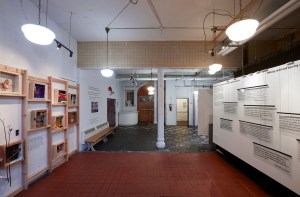
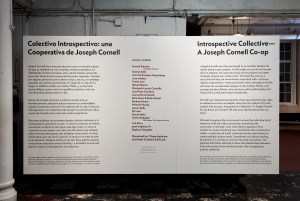

What started as another unpractical dream: a group of artists materializing a gallery space and creating work to be shown in the space based on the experience of creating the space. I called it Groupcracia. The more practical of you can easily spot the flaws. And galleries, I was told, wouldn’t take the risk of committing real estate to unknown quantities. Not to mention this irksome work-in-progress nature – how to fit it in the curatorialsphere ? Mainly, I think, this was not meant to be as such notions of interchangeable roles between administrative and artistic… too much, just too much. We are supposed to push the envelope – but not like this, they said.
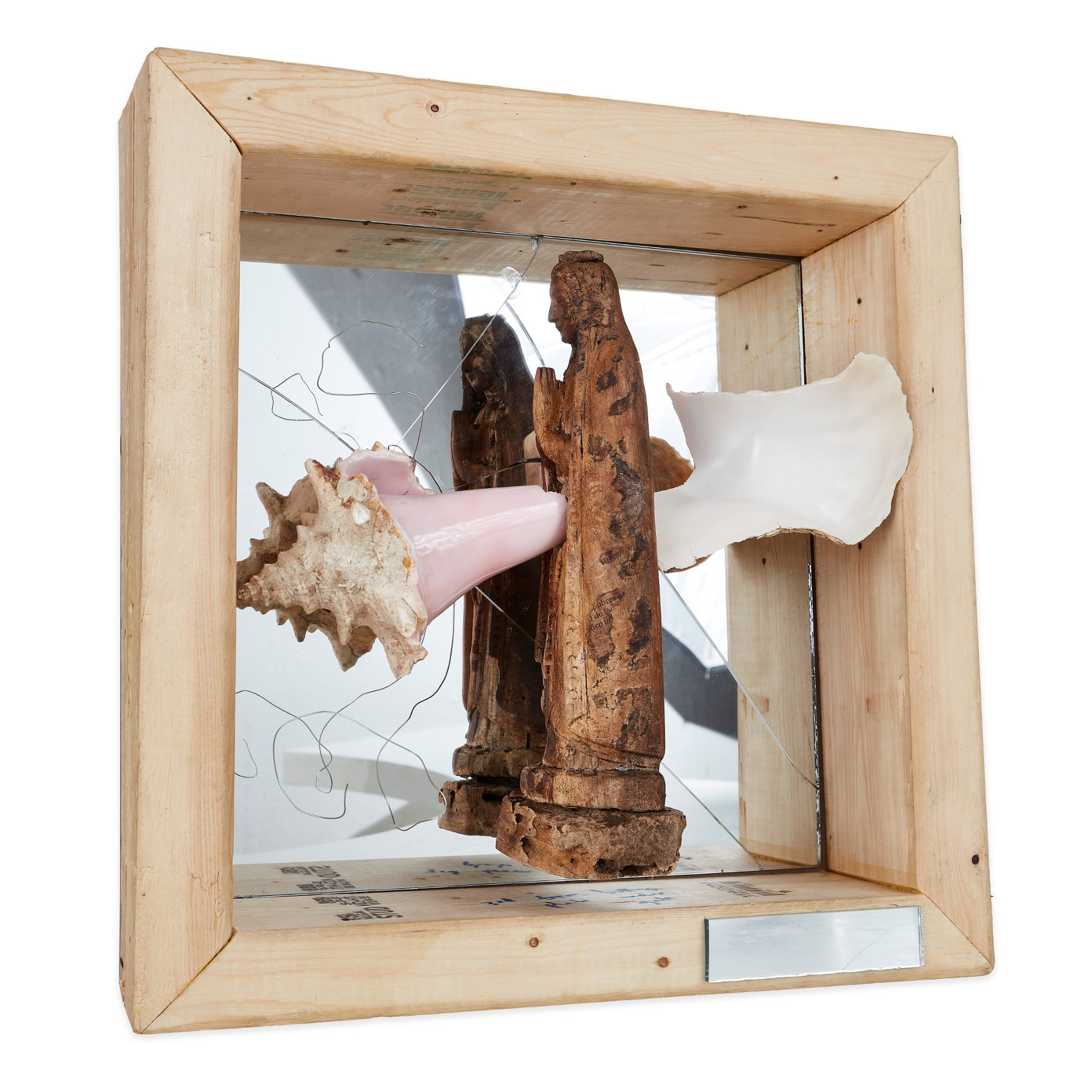
Enters Joseph Cornell, from whom until then I knew so little. A stack of books borrowed from NYPL later, Groupcracia became Introspective Collective. This iteration branched at the hip like conjoined twins: part existing work that had an affinity with Cornellian visions, part new work created in response to the experience of interactions in preparation for the show itself. Still a little convoluted, but at least not as much of an unknown quantity.
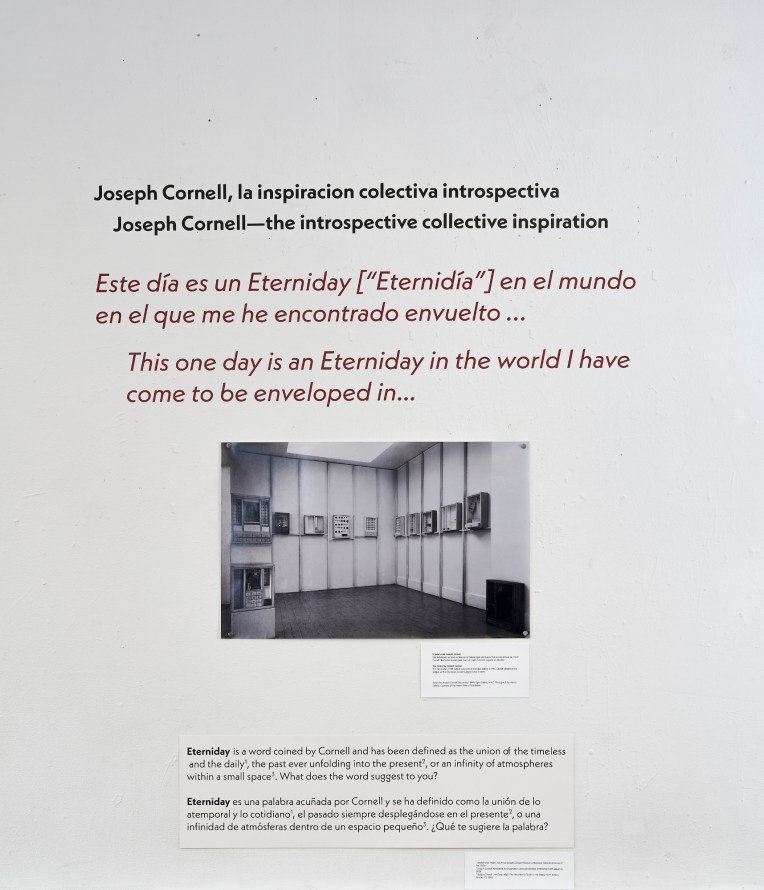
I lost track of how many applications I sent out over the past 3 years, but that is immaterial: the only place were we could fit called me, and we needed none other: The Clemente, in the Lower East Side, with its majestic building and its ambitious mission, somewhat at odds with itself, as any other thing that is full of life. It happened all of the sudden, too, some other group dropped the time slot and we were given a handful of weeks to get our act together.

Our act together we did get, with KS Lack joining as co-organizer (we resisted labeling ourselves curators, and anyway we loved how the bilingual wall text set us right as Las Organizadoras!) With her on board the project grew more complex and more ambitious. As for the space, shabby-chic and DYI was among the definitions I heard. KS said “we will wear it well”. I can’t tell you how happy I felt when she walked in and proclaimed this.

Six weeks to create for six another weeks to run, twenty artists, one host institution and another one as partner, plus two grants. It was dizzying. Did I tell you how much fun we had when we laid our hands on a vinyl cutter? As we were groaning under the weight of those wall texts a friend said “you know, you are not MoMA”. Yeah right. Guess what, we might not be MoMA but we behaved as if we were.

Las Organizadoras once again wish to thank The Clemente Exhibitions Committee Board Member Linda Griggs and The Center for Book Arts Executive Director Corina Reynolds, for having believed in us. Special thanks also to Peter Schell and Colin McMullan, for having saved us on the opening day, and to Argenis Apolinario for his superb documentation skills.


Introspective Collective – A Joseph Cornell Co-op, was as multi-media exhibition installed at the LES Gallery in The Clemente from December 7th 2018 – January 20th 2019.
Photograph: Argenis Apolinario
This project was possible thanks to a grant from the Robert and Joseph Cornell Memorial Foundation and an Emergency Grant from the Foundation for Contemporary Arts.
“Aviary”, the 1949 installation by Joseph Cornell at the Egan Gallery: image courtesy Aaron Siskind Foundation.
For more information please visit
https://www.introspectivecollective.home.blog
https://www.instagram.com/collectiveintrospective
Participant Artists:
Damali Abrams , Golnar Adili, Aravind Enrique Adyanthaya, Jose Ambriz, Tomie Arai, Aurora De Armendi, Milcah Bassel, Elizabeth Castaldo, Ana Paula Cordeiro, Roni Gross, James Kelly, Barbara Henry, Wennie Huang, KS Lack, Norah Maki, Colin McMullan Emcee C. M., Master of None, Luis Pons, Peter Schell, paul singleton iii, Daphne Stergides
Poetry Broadsides loaned from The Center for Book Arts Broadside Reading Series
_____________________________________________________
___________________________________________
_________________________________
________________________
_______________


 ana paula cordeiro