
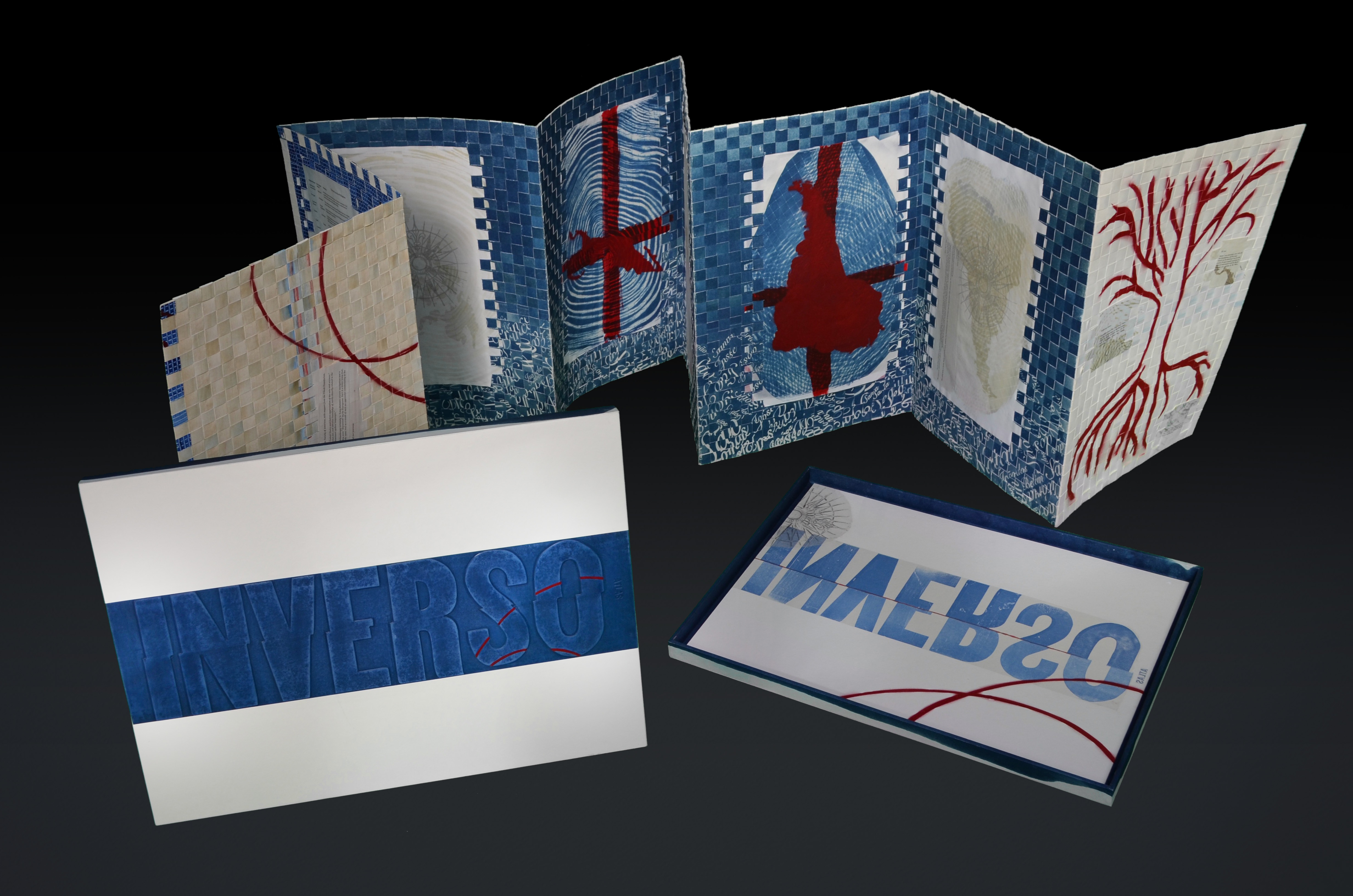
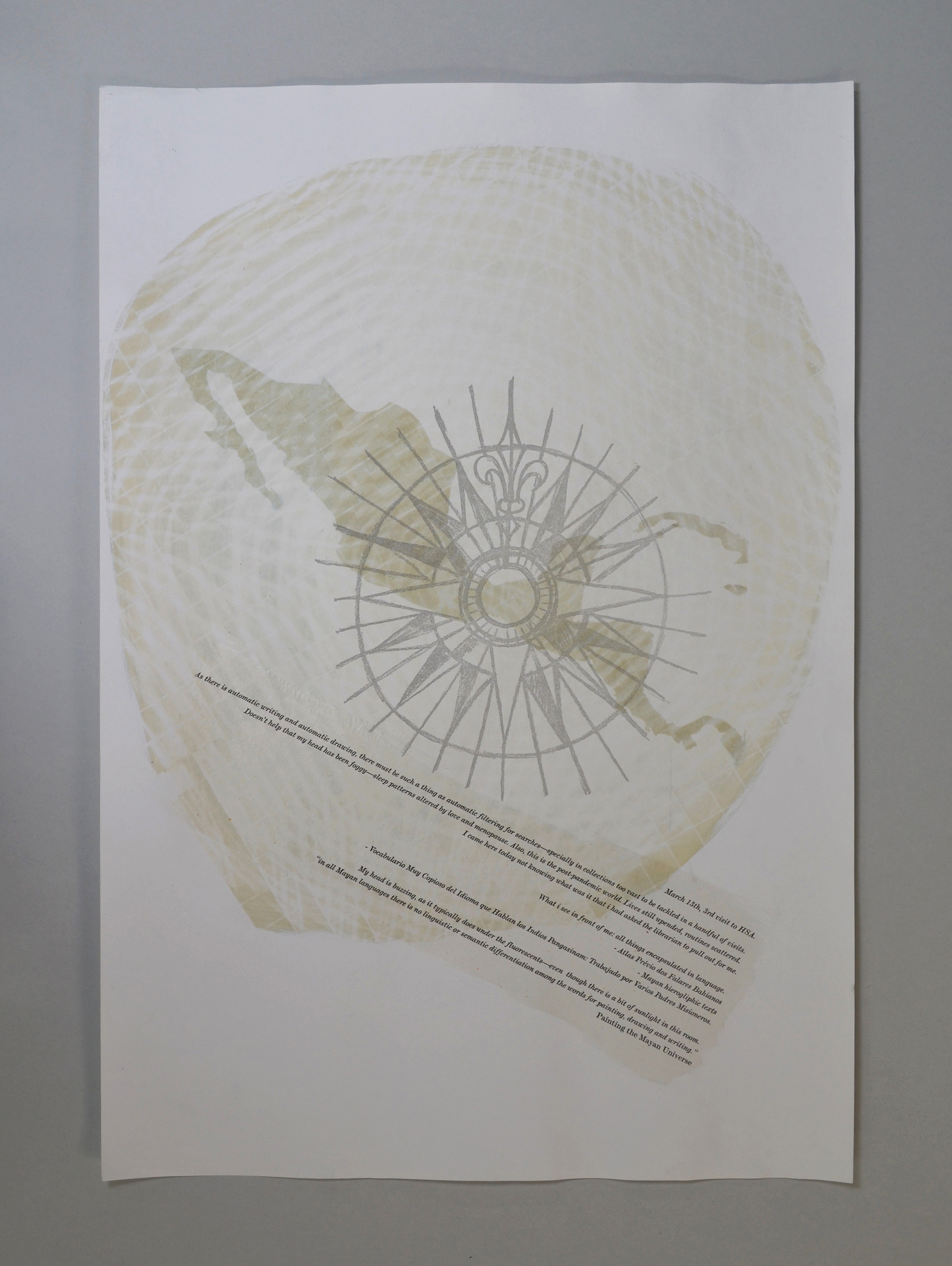
Evolving from a fellowship at the Hispanic Society, Atlas Inverso comprises 09 photograms gathered in an artist book that explores language, colonization, and cultural representation. Three collaborators —Sofi Arredondo from Mexico, Amos Manlangit from the Philippines, and Wakay Cícero from Brazil—were invited to consider the main geographic features of the Iberian Peninsula according to Mayan, Tagalog, and Tupi-Guarani ethnologies, underscoring language’s role in cultural preservation.
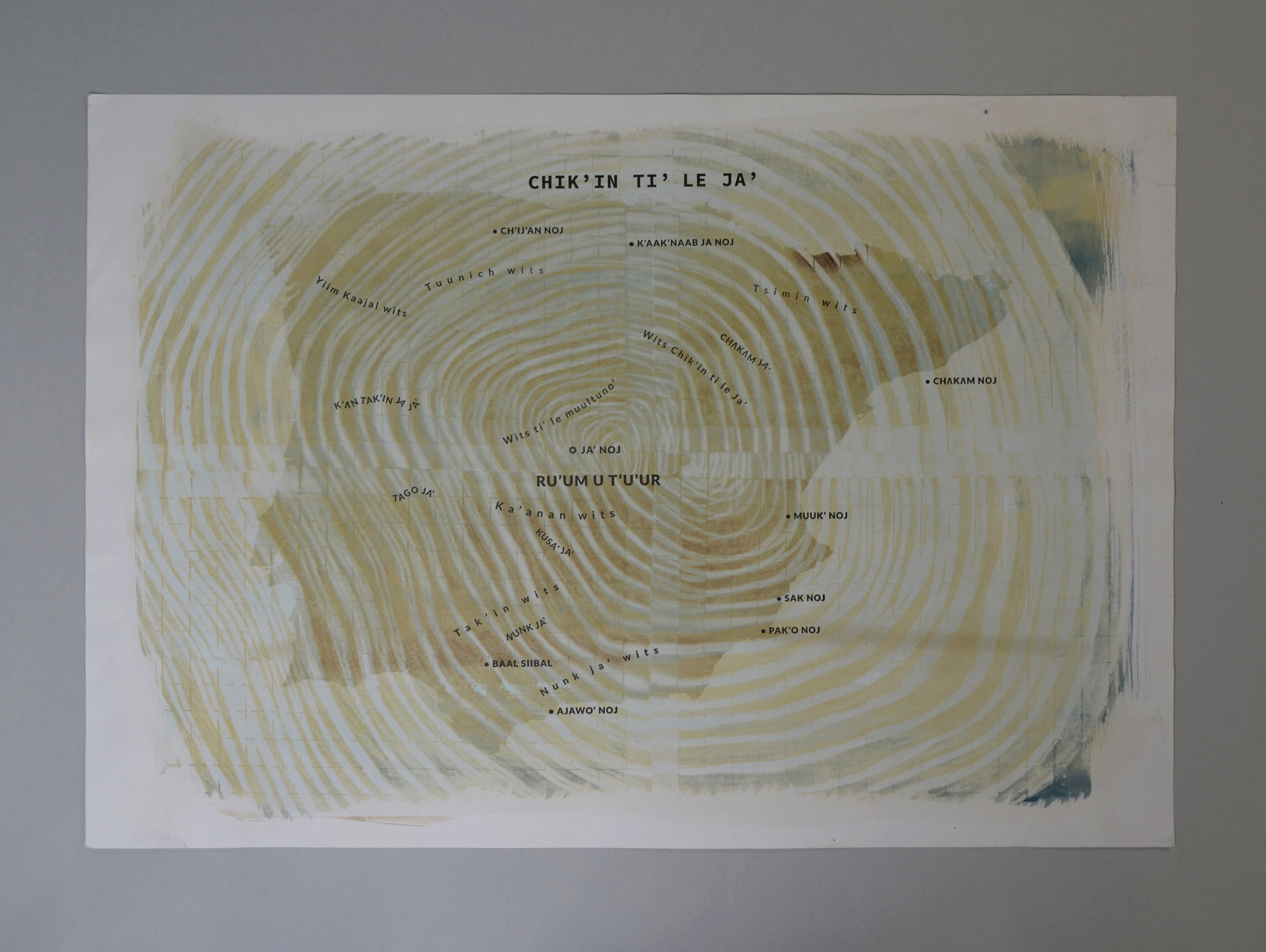
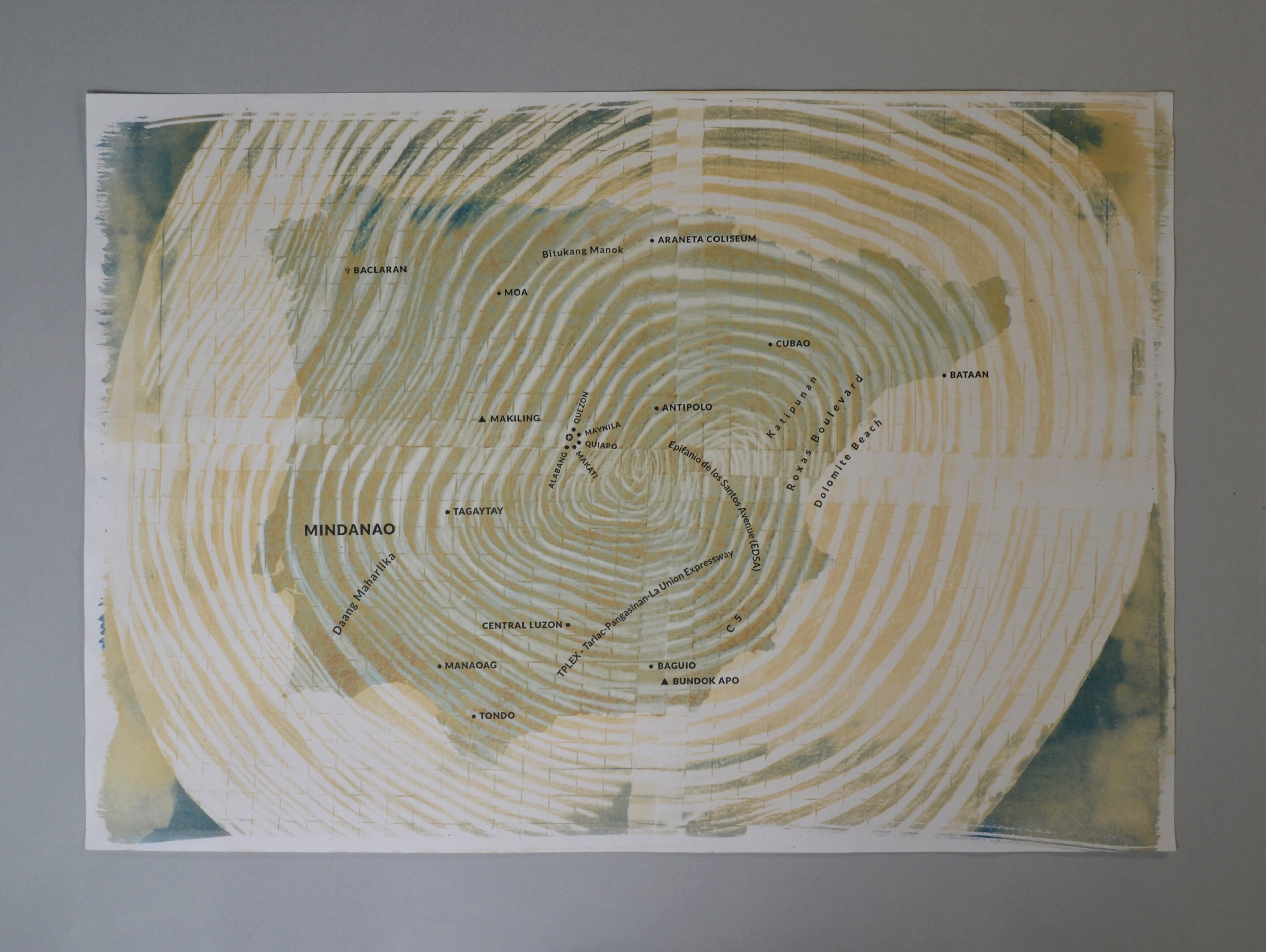
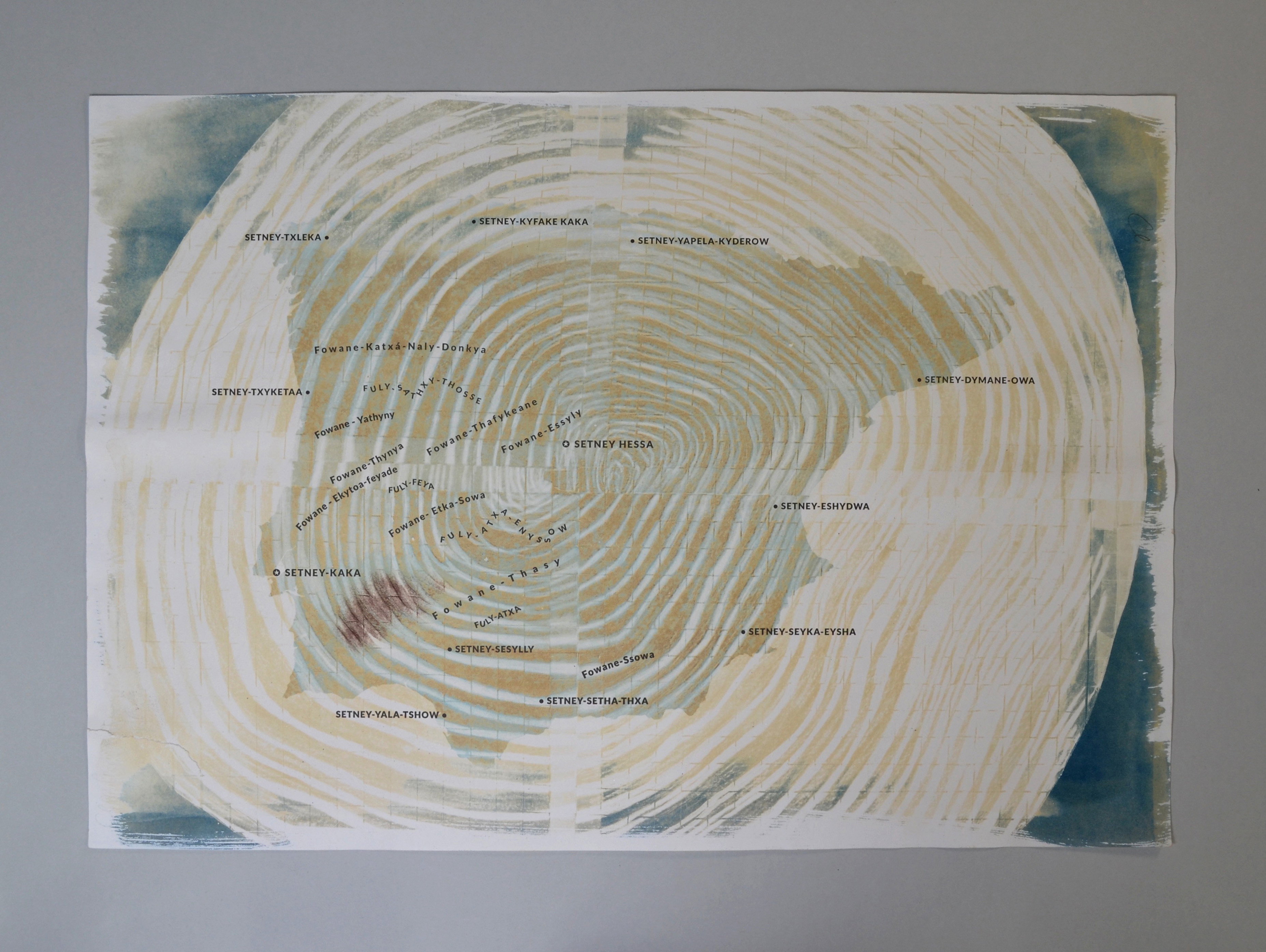
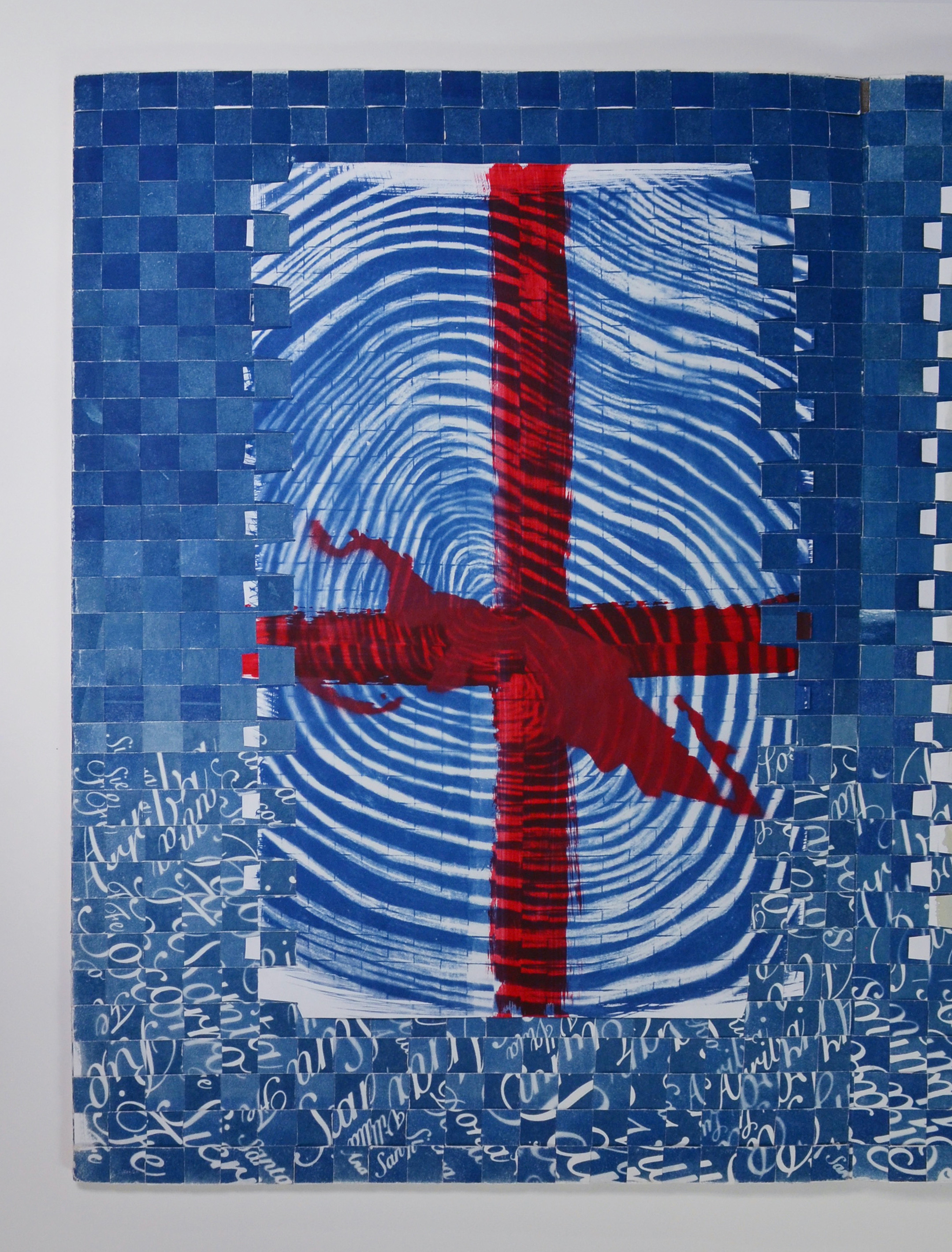
The book also features contour maps of Central America, the Philippines, and South America as artistic renderings of the dramatic consequences of long-distance navigation for the original inhabitants of these places, accompanied by observations taken during the research fellowship period in the form of journal entries and notes exchanged between the collaborators. Also included are charts displaying the translations to English for all the substituted names and their meanings. The pages of this atlas were created entirely using the same weaving technology employed by indigenous cultures to produce household objects, resulting in a paper woven mat 25” tall and 15ft-long when completely open.
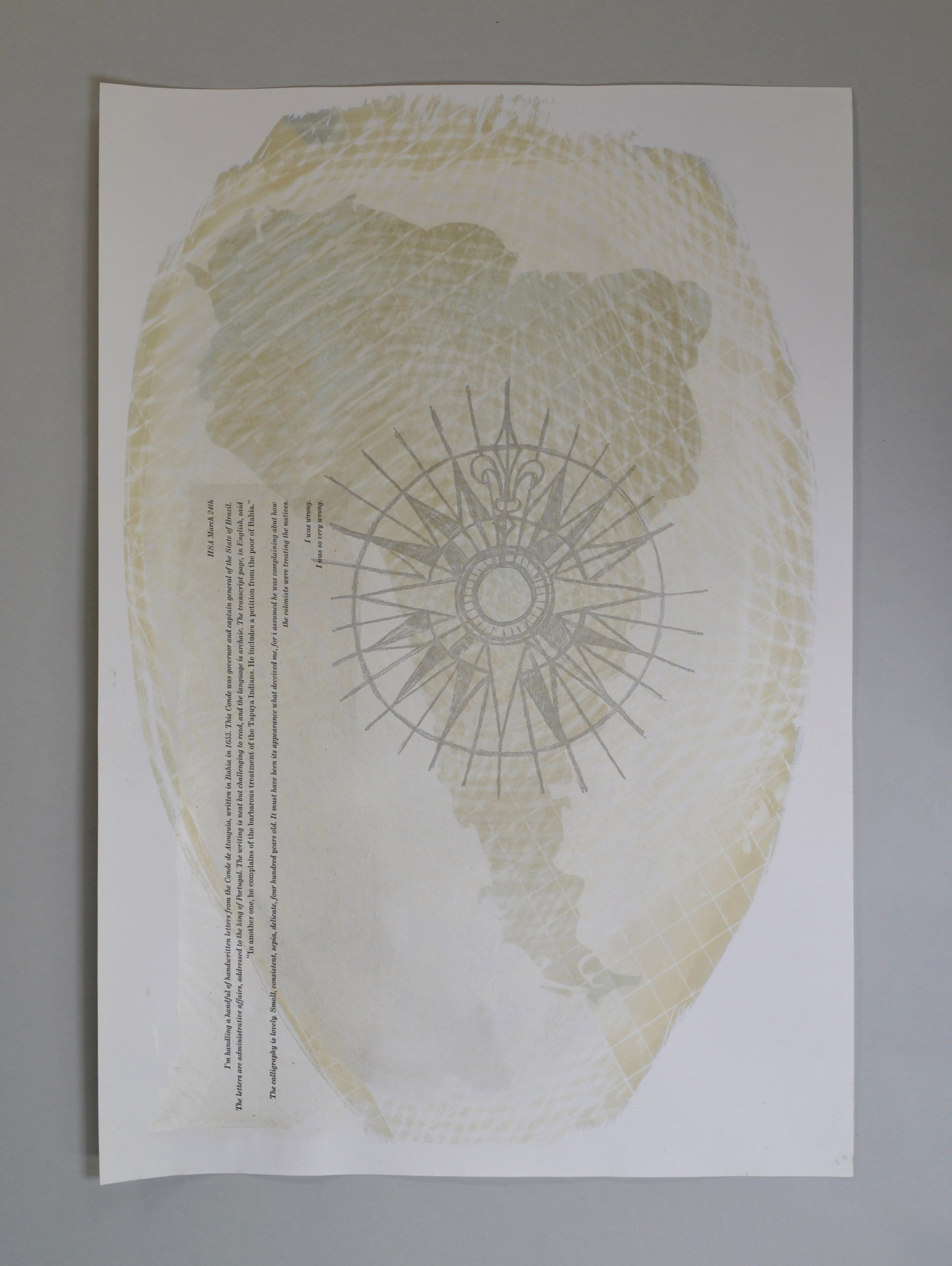
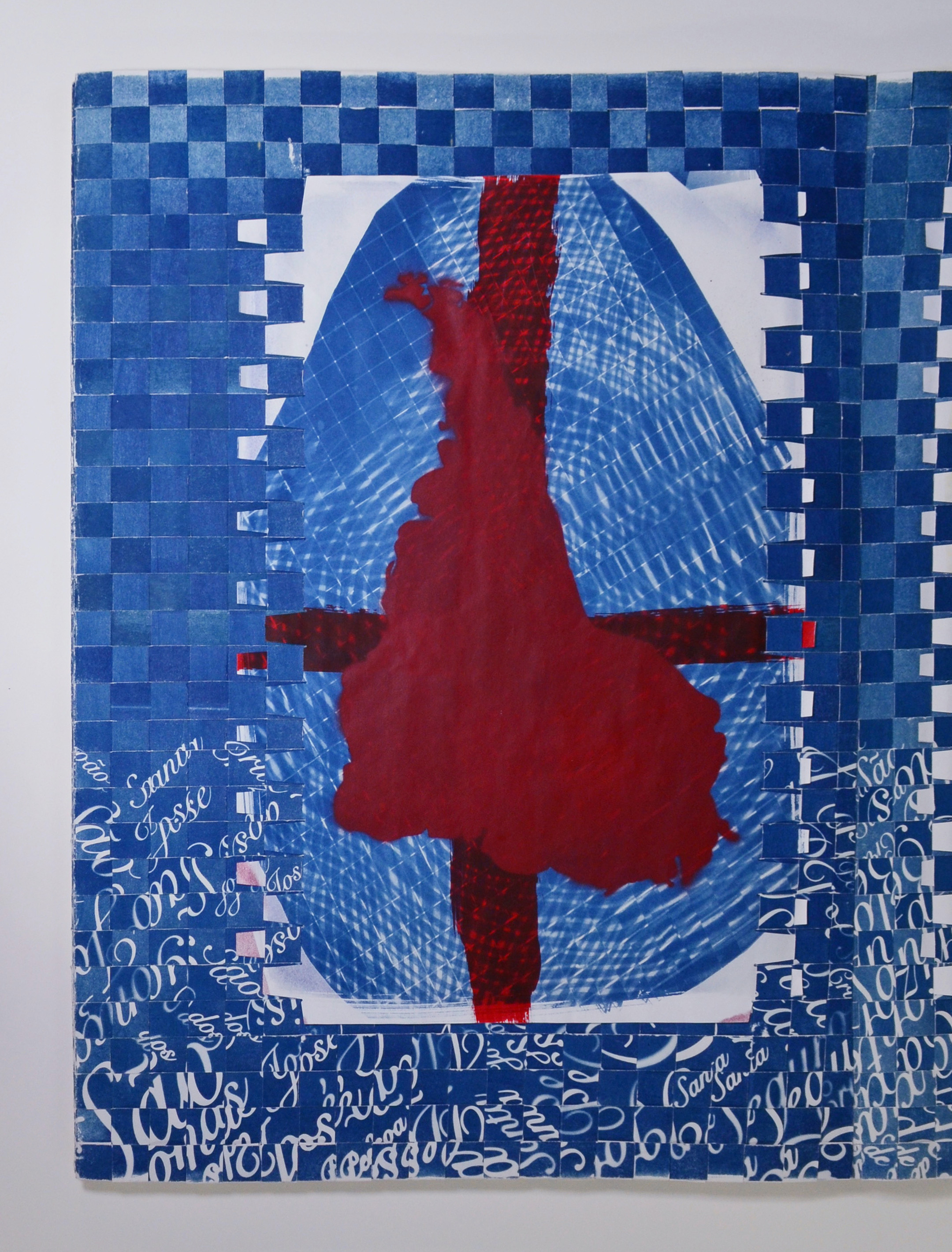
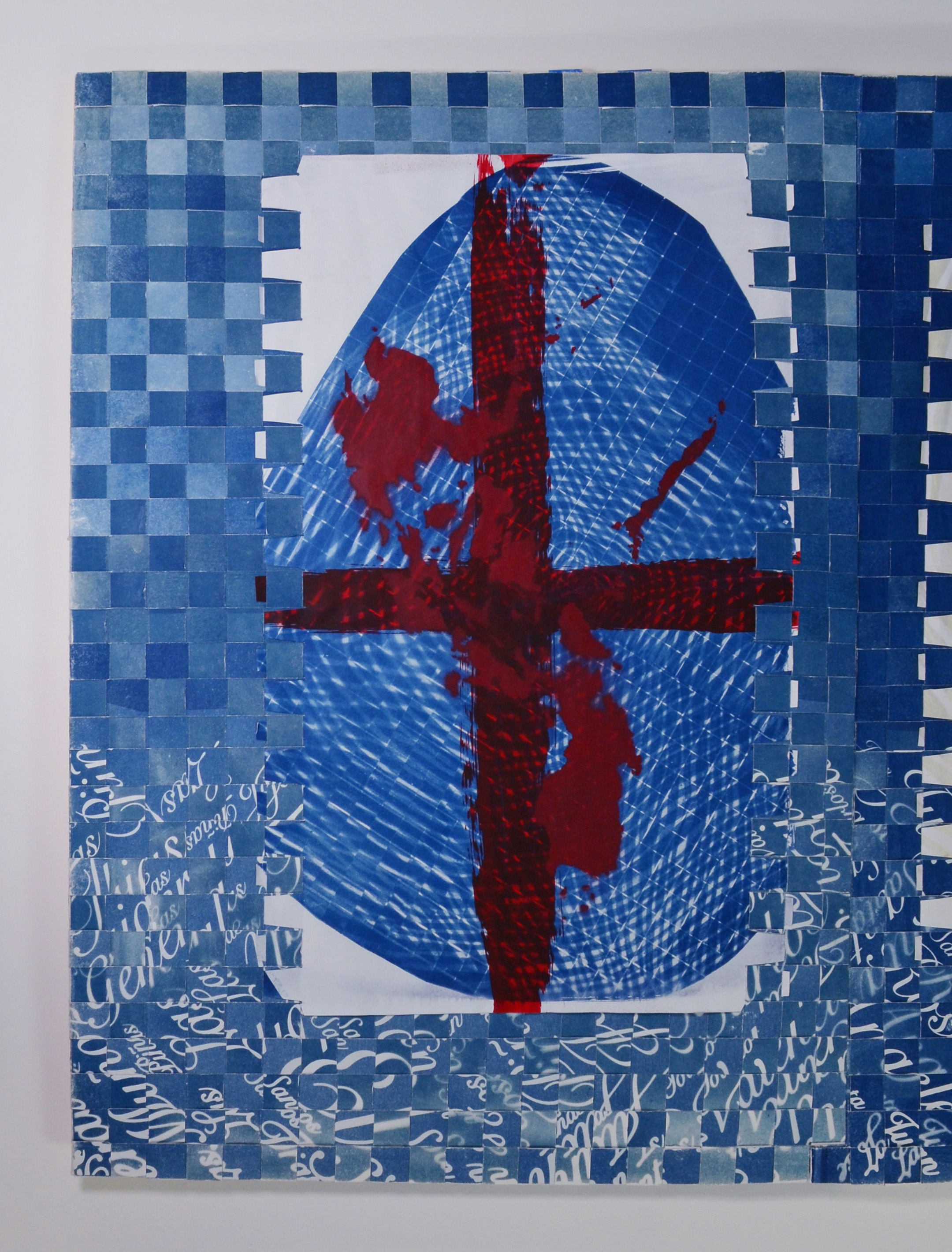
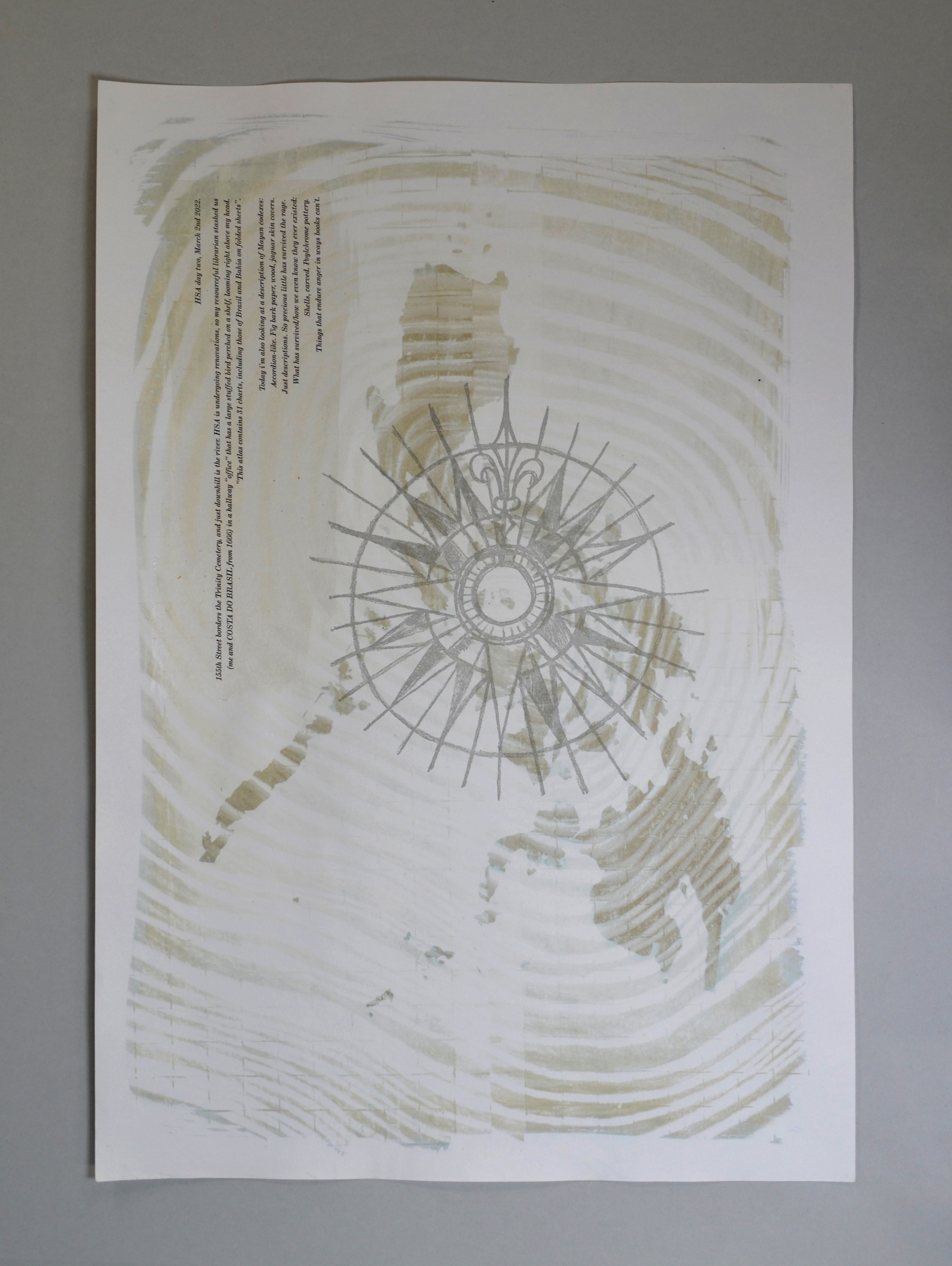
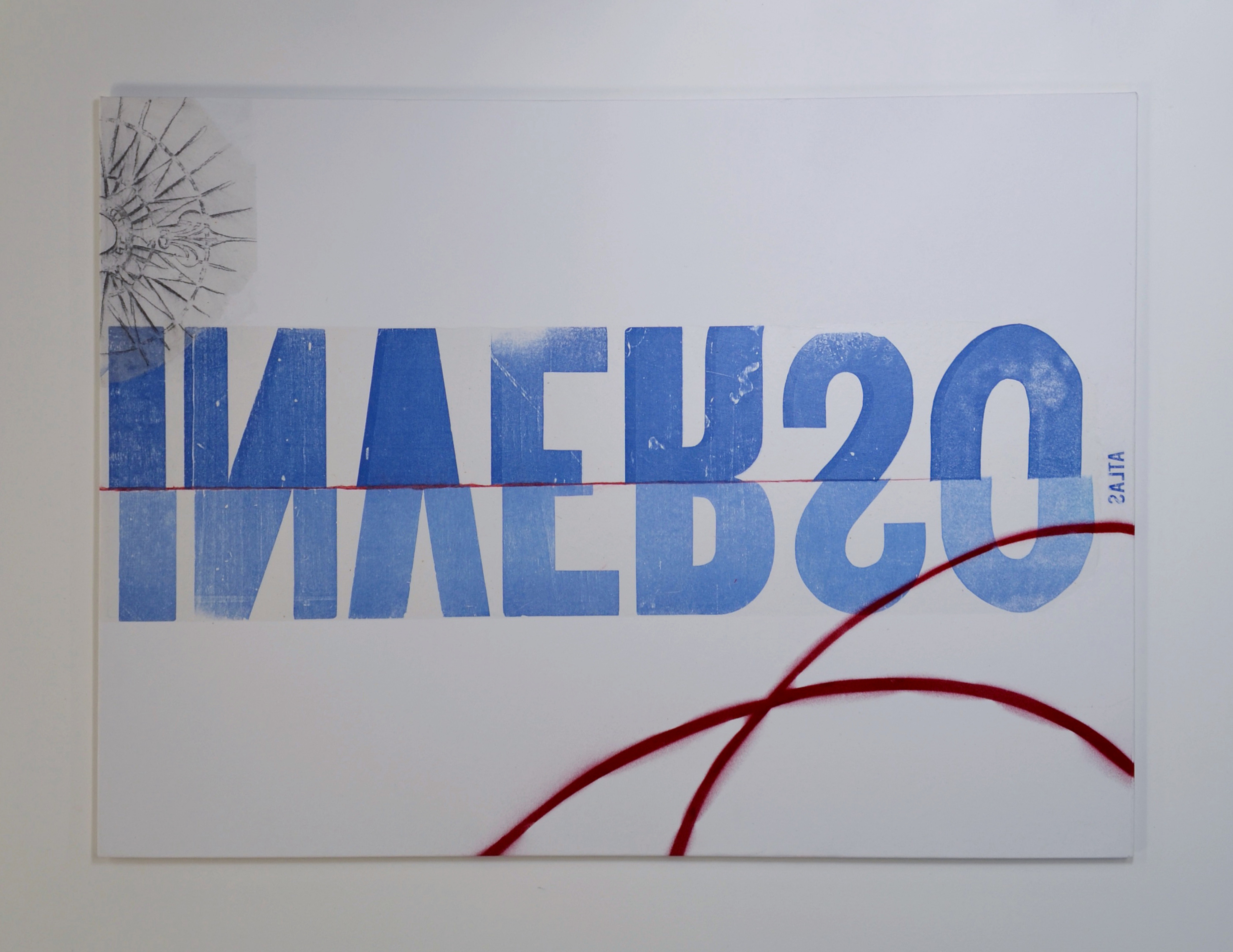
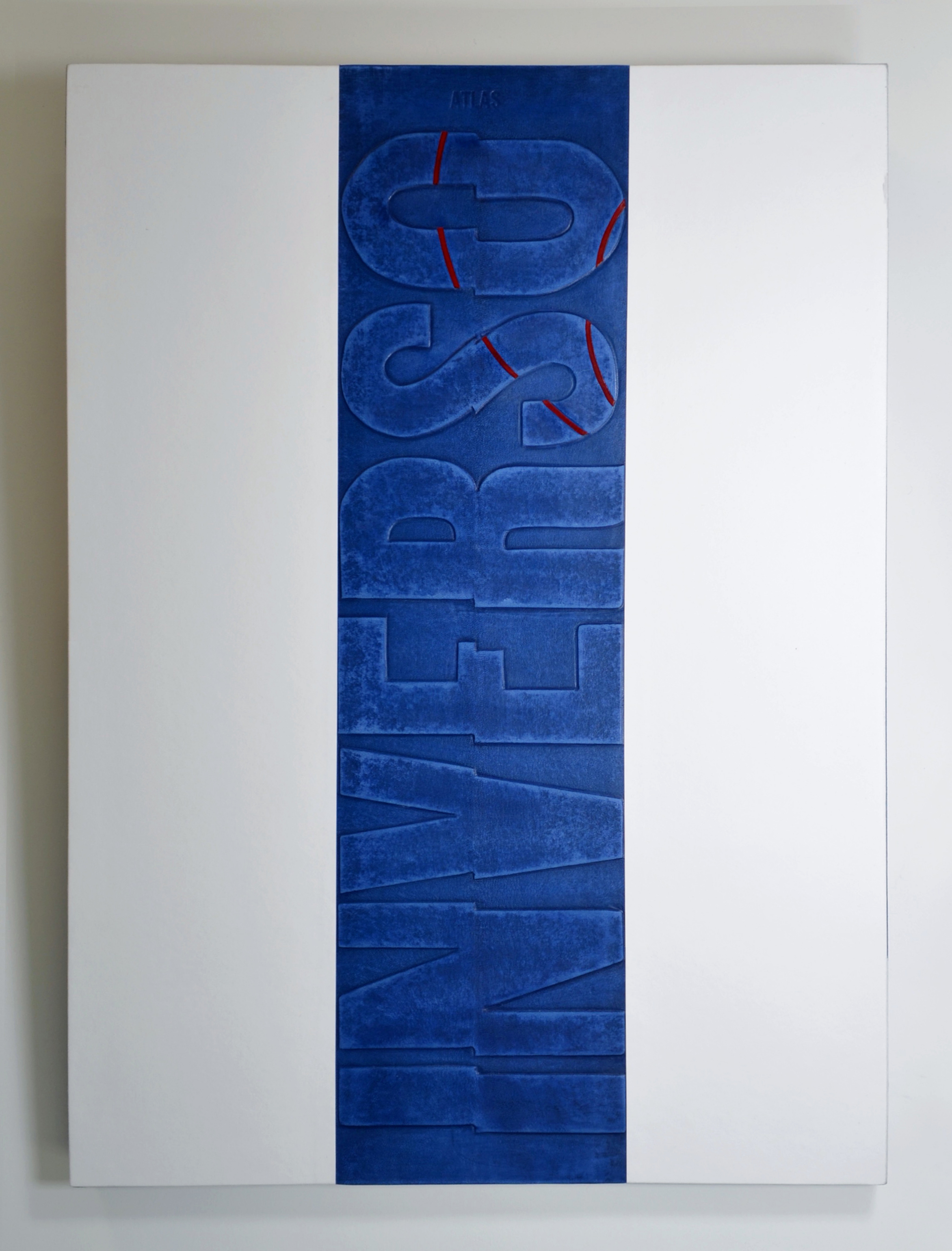
The Atlas grew organically, and by the time it had reached its final shape and size there was no space for a title, or a title page, or even a colophon. Those functions were then absorbed by the box where it lives:
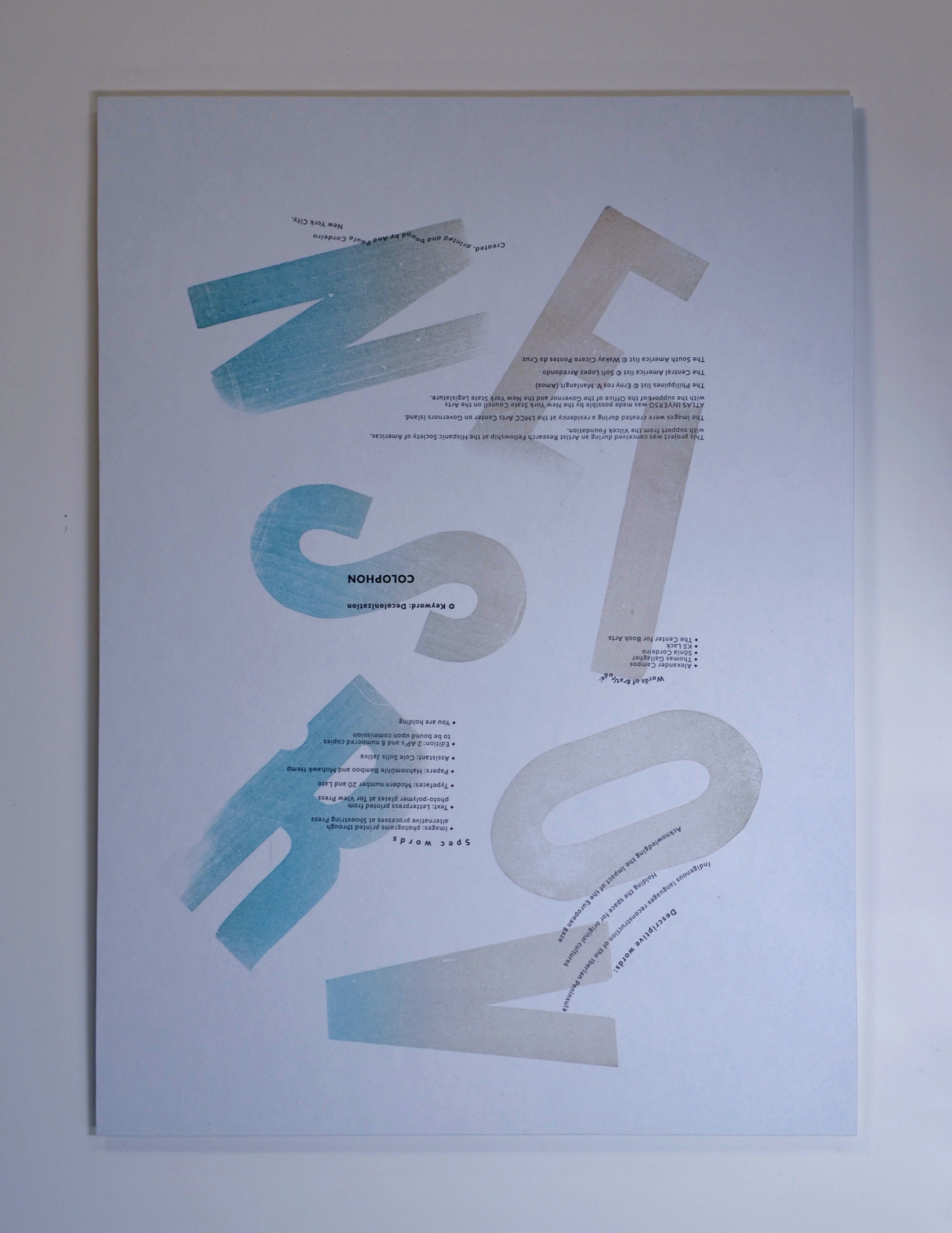
Printed in an edition of eight copies, with two AP’s. Binding in progress as of February 2026.
 ana paula cordeiro